
Comprehensive Pain Assessment: How We Combine Chiropractic and Medical Expertise for Lasting Relief
Why Chronic Pain Demands a Whole-Body Evaluation
Chronic pain is rarely a local problem. A patient who walks in with low back pain may also be dealing with poor sleep, blood sugar swings, an old ankle injury that altered their gait, and inflammation driven by diet. Treating only the painful spot misses the network of factors keeping that pain in place.
When pain persists beyond twelve weeks, the nervous system, musculoskeletal system, and metabolic systems start reinforcing each other. Cortisol stays elevated, fascia stiffens, posture compensates, and pain signals amplify. A comprehensive pain assessment is the only realistic way to map those overlapping contributors and intervene where it actually matters.
What to do next: If your pain has lasted more than three months, ask any provider you see whether their evaluation looks beyond the site of the symptom. If the answer is no, keep looking.
The Limitations of Single-Discipline Pain Diagnoses
A purely orthopedic workup may catch a bulging disc but miss the peripheral neuropathy contributing to instability. A chiropractic-only exam may correct alignment but overlook a thyroid issue fueling joint pain. A primary care visit often ends in a prescription that masks symptoms rather than resolving them.
Each discipline has real strengths, but each also has blind spots:
- Orthopedics tends to focus on structural fixes and surgical candidates.
- Standard chiropractic focuses on spinal mechanics, sometimes without metabolic context.
- Primary care has limited time per visit and leans on pharmaceuticals.
- Pain management clinics often default to injections and opioids.
The result is a fragmented picture and treatment plans that plateau. Patients bounce between specialists, repeat imaging, and accumulate diagnoses without ever getting a coherent explanation of why the pain started or why it persists.
Our Vinton Method: A Head-to-Toe Assessment Framework
The Vinton Method is our proprietary evaluation process that examines the body as one connected system. Instead of starting with the chief complaint and stopping there, we work head to toe through structural, neurological, metabolic, and lifestyle layers in a single coordinated visit.

The framework covers four core domains:
- Structural and biomechanical: spine, joints, posture, gait, and soft tissue.
- Neurological: nerve conduction, balance, reflexes, and sensory function.
- Metabolic and functional: blood markers, inflammation, blood sugar regulation, and hormones.
- Lifestyle and stress load: sleep, nutrition, autonomic balance, and recovery capacity.
By systematically working through each layer, we surface contributing factors that a single-discipline exam would miss. A patient referred for knee pain might leave with a plan that also addresses prediabetes and sleep apnea, because those are quietly driving the inflammation that prevents the knee from healing.
How Our MDs and Chiropractors Collaborate on Your Case
Multidisciplinary chiropractic care only works when the disciplines actually talk to each other. In our clinic, MDs and chiropractors share the same charts, the same exam findings, and the same patient case conferences.
Here is how a typical case flows:
- The chiropractic exam identifies a lumbar facet restriction and altered gait pattern.
- The MD orders labs and reviews medications that may be contributing to neuropathy or fatigue.
- Both clinicians meet to align on a single sequenced plan rather than two parallel ones.
- The patient receives one set of instructions, not conflicting advice from separate offices.
This co-management approach removes the burden of being your own care coordinator. Takeaway: when evaluating an integrative clinic, ask whether the MD and chiropractor review your case together, or simply work in the same building.
Identifying Root Causes Beyond the Symptoms
Pain is the smoke, not the fire. Root cause pain diagnosis means asking why the tissue is irritated in the first place, not just confirming that it is.
Common upstream drivers we look for:
- Insulin resistance and elevated blood sugar that fuel systemic inflammation and nerve damage.
- Nutrient deficiencies such as vitamin D, B12, and magnesium that worsen pain sensitivity.
- Hormonal imbalances affecting tissue repair, mood, and sleep.
- Chronic stress and autonomic dysregulation that lock the body in a sympathetic state.
- Old injuries and compensation patterns that have quietly reshaped how you move.
A patient with stubborn shoulder pain, for example, may actually have undiagnosed Type II diabetes driving adhesive capsulitis. Treating the shoulder without addressing glucose control leads to short-lived gains. Address both, and the tissue finally has the conditions it needs to heal.
Diagnostic Tools and Functional Testing We Use
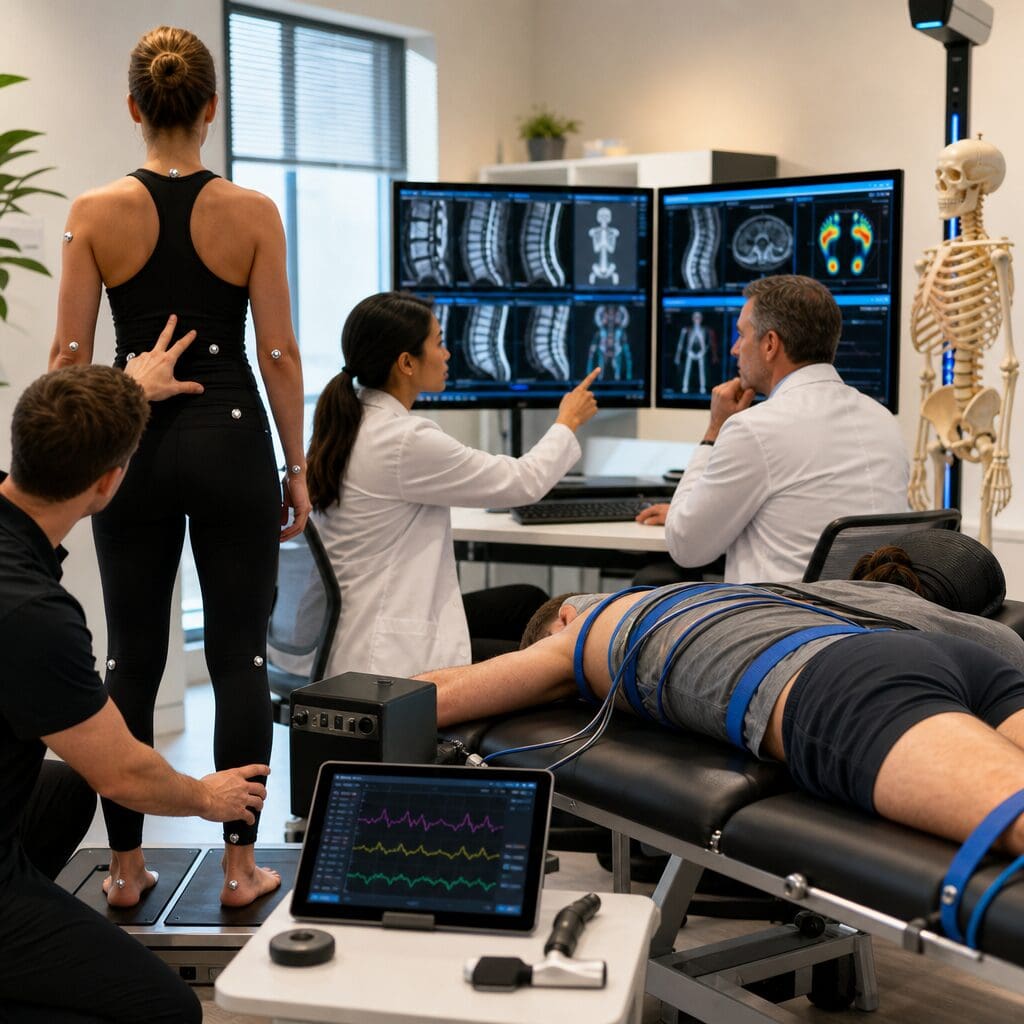
A thorough chronic pain evaluation depends on objective data. We pair traditional clinical exams with functional testing so we can measure change rather than guess at it.
Tools and assessments we commonly use:
- Comprehensive blood panels including inflammatory markers, A1C, fasting insulin, lipid panels, and micronutrient testing.
- Nerve conduction and sensory testing for patients with suspected neuropathy.
- Postural and gait analysis to identify compensations driving recurring pain.
- Range of motion and orthopedic testing to localize structural contributors.
- Neurofeedback and biofeedback assessments to evaluate nervous system regulation.
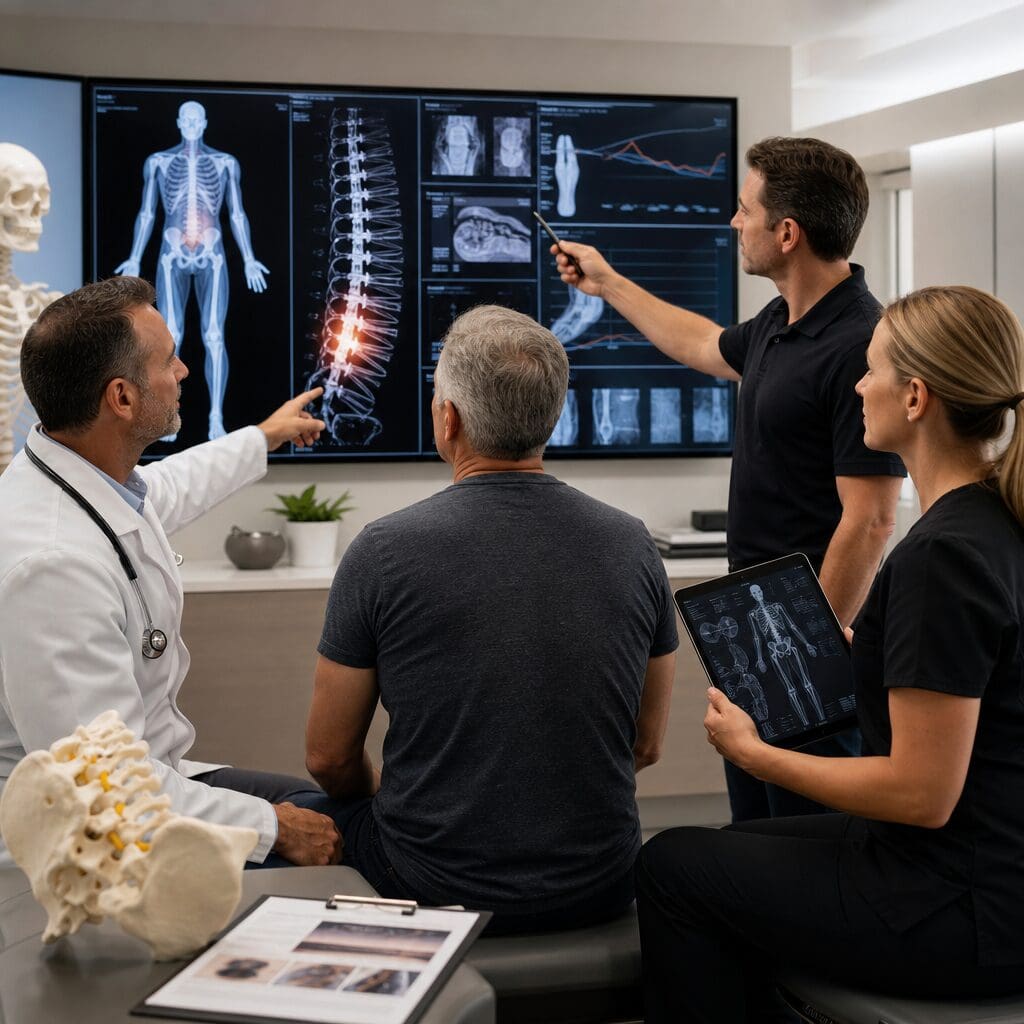
- Imaging review of existing MRIs, X-rays, or CT scans, with new imaging ordered when clinically justified.
The goal is a baseline detailed enough that we can track measurable progress. Reassessment at defined intervals tells us whether the plan is working or needs adjustment.
Building a Personalized Non-Surgical Treatment Plan
Once the assessment is complete, we build a sequenced plan focused on non-surgical pain relief and long-term function. No two plans look identical because no two patients arrive with the same combination of contributors.
A typical plan may integrate:
- Spinal correction and soft tissue work to restore mechanics.
- Regenerative therapies to support tissue repair without surgery.
- Functional medicine protocols addressing nutrition, blood sugar, and inflammation.
- Neurofeedback and biofeedback to retrain pain signaling and stress response.
- Targeted neuropathy protocols for nerve regeneration and circulation.
- Home exercises and lifestyle adjustments that reinforce in-office progress.
You can see the full scope of our services for how these pieces fit together. Sequencing matters as much as the components themselves. We typically stabilize the nervous system and reduce inflammation first, then layer in structural work, then build durability through movement and metabolic health.
Conditions We Address Through Integrative Assessment
Integrative pain management is particularly effective for conditions that have not responded to single-discipline care. Patients commonly come to us after exhausting conventional options.
Conditions we frequently evaluate and treat include:
- Peripheral neuropathy, including diabetic neuropathy
- Chronic low back, neck, and joint pain
- Sciatica and radiculopathy
- Spinal disc conditions without clear surgical indication
- Type II diabetes and metabolic syndrome contributing to pain
- Fibromyalgia and widespread pain syndromes
- Post-injury chronic pain and failed surgical outcomes
- Erectile dysfunction tied to vascular and metabolic causes
If you have been told that surgery or long-term medication is your only option, a second opinion grounded in a comprehensive pain assessment is worth the visit.
What to Expect During Your First Visit With Us
Your first appointment is built around understanding, not selling. Expect to spend meaningful time with our team rather than a five-minute consult.
A typical first visit includes:
- Detailed history intake covering pain timeline, prior treatments, lifestyle, and goals.
- Physical and neurological examination by our chiropractic and medical team.
- Functional and metabolic screening to identify systemic contributors.
- Review of existing records and imaging you bring with you.
- Initial findings discussion outlining what we see and what we still need to confirm.
You will leave with a clear understanding of what we found, what additional testing may be needed, and what a realistic treatment timeline looks like. Practical tip: bring a written list of current medications, supplements, prior providers, and the two or three outcomes that matter most to you.
Schedule Your Comprehensive Pain Assessment Today
Chronic pain that has not responded to single-discipline care needs a different kind of evaluation, one that examines the whole body and is built by clinicians who actually work together. That is what we offer at the Pain Relief and Wellness Strategies Center.
If you are ready to stop managing symptoms and start addressing causes, contact our team to schedule your comprehensive pain assessment. Bring your history, your questions, and your goals. We will bring the framework, the diagnostics, and the multidisciplinary expertise to help you build a path toward lasting relief.