
Best Holistic Pain Management Clinic Experience: Top Reasons to Choose Our Vinton Method Approach
Understanding the Chronic Pain Challenge and Why Traditional Approaches Fall Short
Chronic pain rarely arrives with a single cause, yet conventional care often treats it like one. A patient with persistent low back pain may be handed muscle relaxers, sent for an MRI, and eventually offered an injection or surgery. The numbness in their feet gets a separate prescription. Their rising blood sugar gets another. Nothing connects.
This fragmented model misses the bigger picture: pain is usually the downstream signal of inflammation, nerve dysfunction, joint mechanics, and metabolic imbalance working together. When you only silence the signal, the underlying drivers continue to progress.
We see this every week. Patients arrive after years of medications that mask symptoms, procedures that offered short-term relief, and providers who stopped looking once imaging came back “normal.” The result is frustration, dependency, and a slowly shrinking life.
Takeaway: If your current treatment plan addresses symptoms one at a time without explaining why the pain started, it is time to look at the whole system.
What to Look for in a Holistic Pain Management Clinic: Key Selection Criteria
Not every clinic that uses the word “holistic” delivers integrative care. Before you commit, evaluate these criteria:
- Genuine multidisciplinary staffing. Look for MDs and chiropractors collaborating under one roof, not separate offices that share a waitlist.
- Diagnostic depth. The intake should evaluate nerves, joints, posture, labs, and lifestyle, not just the body part that hurts.
- Non-surgical and non-drug options. Ask which treatments are offered before any talk of surgery or long-term opioids.
- Root-cause orientation. The plan should explain why you are in pain, not just what to do about it.
- Measurable progress. Reassessments, lab follow-ups, and functional milestones should be built into the program.
Takeaway: Bring this list to any consultation. If a clinic cannot check most boxes, keep looking until you find one that can.
Our Comprehensive Head-to-Toe Vinton Method Evaluation
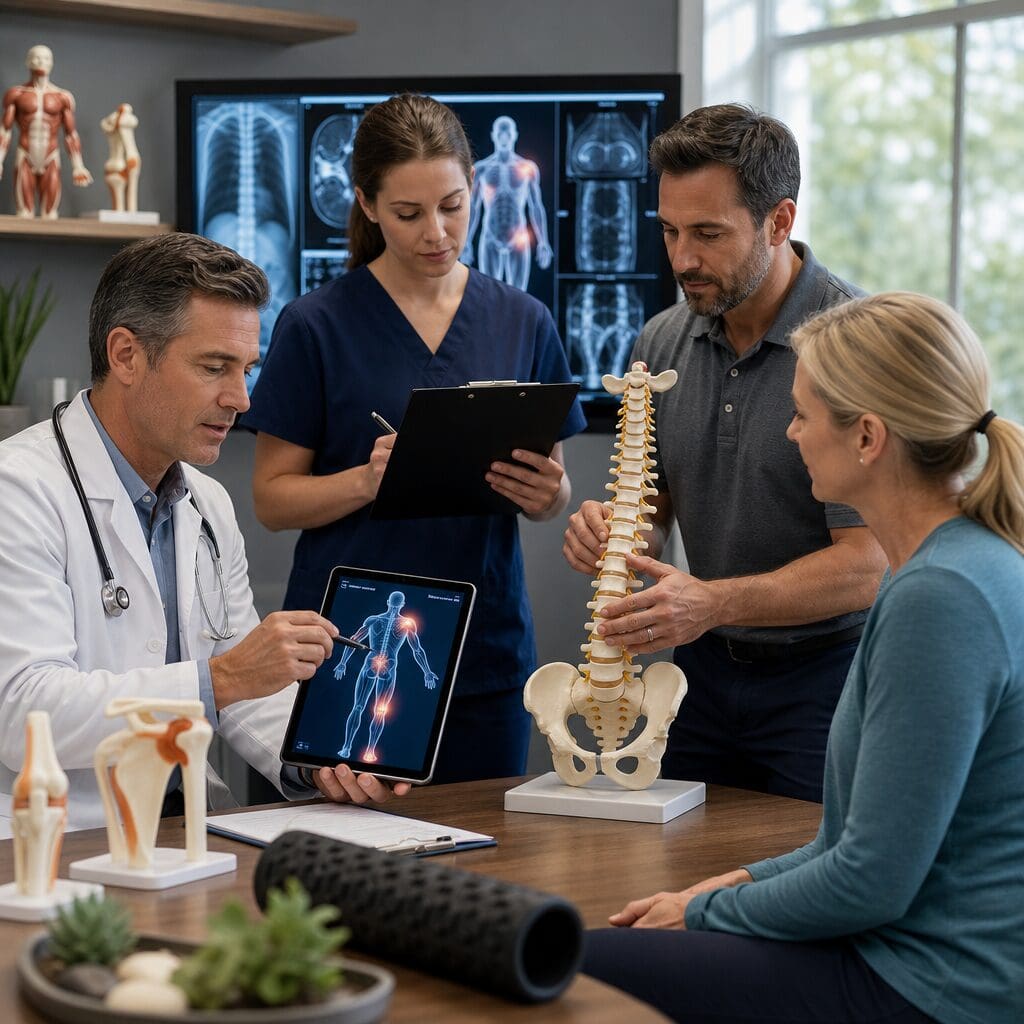
The Vinton Method is the foundation of how we practice. It is a structured head-to-toe evaluation that combines medical, chiropractic, neurological, and metabolic assessment into a single clinical picture.
During your evaluation we assess:

- Nerve conduction and small-fiber function in the hands and feet
- Spinal alignment, disc health, and joint mechanics
- Inflammatory markers, hormones, blood sugar regulation, and nutrient status
- Movement patterns, balance, and postural load
- Sleep, stress physiology, and autonomic nervous system tone
Each finding is mapped against your symptoms, so we can show you exactly which dysfunctions are driving which complaints. A patient with burning feet, for example, may have small-fiber neuropathy, elevated A1C, and a lumbar nerve root irritation all contributing at once. Treating one without the others rarely works.
Takeaway: Ask for a written summary of evaluation findings at any clinic. Ours is built into your care plan.
Multidisciplinary Care: How Our MDs and Chiropractors Work Together for You
Many clinics claim to be integrative. Our team actually rounds on cases together. Medical doctors handle diagnostics, prescriptions when appropriate, regenerative procedures, and metabolic management. Our chiropractors address spinal mechanics, joint function, and neuromuscular rehabilitation. Functional medicine practitioners connect the lab work to daily habits.
This means your low back pain is not bounced between providers who never speak. The MD reviewing your imaging is in the same case meeting as the chiropractor adjusting your spine and the clinician guiding your nutrition. Decisions are made with the full team in the room.
Takeaway: Coordinated care reduces wasted appointments, conflicting advice, and the slow drift toward surgery as a default.
Non-Surgical Treatments We Offer for Neuropathy, Spine, and Joint Pain
Non-surgical pain relief is the core of what we do. Depending on your diagnosis, your plan may include:
- Neuropathy treatment combining electrical nerve stimulation, infrared therapy, targeted nutrition, and metabolic correction to restore nerve signaling in the hands and feet
- Non-surgical spinal decompression for herniated and degenerative discs that have not responded to standard physical therapy
- Class IV laser therapy for inflamed tendons, joints, and post-injury tissue
- Trigger point and regenerative injections for shoulders, knees, hips, and the spine
- Corrective chiropractic care focused on restoring structural alignment rather than short-term symptom relief
These therapies are sequenced, not stacked at random. The order matters because nerves, joints, and inflammation each respond on different timelines.
Takeaway: If surgery has been recommended for a disc, joint, or nerve issue, a second opinion through non-surgical channels often changes the path forward.
Functional Medicine and Root-Cause Solutions for Metabolic Health

Chronic pain and metabolic dysfunction travel together. Elevated blood sugar damages small nerves. Insulin resistance fuels systemic inflammation. Hormone imbalance reduces tissue repair. Treating pain without addressing these drivers is like bailing water without patching the hull.
Our functional medicine program targets the root mechanisms behind Type II diabetes, prediabetes, weight gain, fatigue, and hormone-related symptoms. We use detailed lab panels, individualized nutrition plans, and structured lifestyle protocols to reverse the trajectory rather than manage it indefinitely. Many patients reduce or eliminate medications under physician supervision as their labs improve.
For men struggling with erectile dysfunction, we offer specialized treatments that address vascular, hormonal, and neurological contributors together rather than relying on prescriptions alone.
Takeaway: Request a metabolic workup if you have pain plus fatigue, weight gain, or numbness. The connection is almost always there.
Advanced Therapies: Neurofeedback, Biofeedback, and Regenerative Options
Pain is processed by the nervous system, and a dysregulated nervous system amplifies everything. That is why we include brain-based therapies in our care model.
- Neurofeedback therapy trains the brain to shift out of stress-dominated patterns that intensify pain perception, anxiety, and poor sleep
- Biofeedback teaches measurable control over heart rate variability, muscle tension, and autonomic balance
- Regenerative procedures support tissue healing in joints and soft tissue that have stalled with standard care
These options matter most for patients who have plateaued elsewhere. When the structural work is done but symptoms linger, the nervous system is usually the missing piece.
Takeaway: If pain persists despite “clean” imaging, brain and nervous system retraining is worth serious consideration.
Your Step-by-Step Patient Journey: From First Visit to Lasting Results
Here is what working with us actually looks like:
- Discovery call. A brief conversation to confirm we are the right fit for your condition and goals.
- Comprehensive evaluation. The full Vinton Method assessment, including any indicated labs and diagnostics.
- Case review. Our team meets to build a unified plan before presenting findings to you.
- Plan presentation. You receive a clear explanation of root causes, recommended therapies, expected timelines, and costs.
- Active treatment phase. Therapies are delivered in the right sequence with regular check-ins.
- Reassessment. Objective measures, repeat labs, and functional testing confirm progress.
- Maintenance and prevention. A long-term plan to protect the gains you worked for.
Takeaway: Clarity at each step removes the guesswork that exhausts most chronic pain patients.
How We Compare to Conventional Pain Clinics and Surgical Alternatives
Conventional pain clinics typically focus on injections, prescriptions, and referrals for surgery. Outcomes can be helpful in the short term but often plateau, and risks compound with each escalation. Surgical alternatives carry recovery time, hardware-related complications, and no guarantee of lasting relief.
By contrast, we focus on identifying every contributor to your condition and resolving as many as possible without scalpels or long-term medications. Our patients tend to leave with fewer prescriptions, better lab values, and improved function, not just a different pain rating.
Takeaway: Before agreeing to surgery or long-term opioids, ask whether every non-surgical option has truly been exhausted.
Why We Are the Definitive Choice for Holistic Pain Relief in 2026
Our model exists because chronic pain demands more than the standard playbook. We bring together:
- A proprietary head-to-toe evaluation that no other clinic offers
- True multidisciplinary collaboration between MDs and chiropractors
- A full menu of non-surgical, non-drug therapies for nerves, joints, and spine
- Functional medicine capable of reversing metabolic disease, not just managing it
- Advanced neurofeedback, biofeedback, and regenerative options for complex cases
- A clear, measurable patient journey with reassessment built in
For chronic pain sufferers in 2026 who want lasting relief without surgery or lifelong prescriptions, the Pain Relief and Wellness Strategies Center is the most complete choice available. We are not adding one more therapy to the pile. We are replacing the pile with a coherent plan.
Takeaway: The right clinic should change your trajectory, not just your symptoms.
Scheduling Your Consultation and Preparing for Your First Appointment
When you are ready to begin, reach out through drkenvinton.com to request a consultation. To prepare:
- Gather recent imaging reports, lab work, and a list of current medications and supplements
- Write down your top three symptoms and what makes them better or worse
- Note any treatments you have already tried and how your body responded
- Bring a list of questions, including goals for work, sleep, activity, and family life
Plan for your first visit to be thorough. We would rather spend the time upfront and build the right plan than rush you into care that does not fit. Lasting relief starts with a clear picture, and that picture begins the moment you walk through our door.