
Top Regenerative Pain Therapy Clinics in 2026: Finding Lasting Relief Near You
Understanding Chronic Pain and Why Regenerative Therapy Matters
Chronic pain is not just a symptom. It is a signal that something deeper in the body, often in the nerves, joints, fascia, or metabolic systems, has lost its ability to repair itself. More than 50 million adults in the United States live with persistent pain, and for many, the standard path of prescription medications and surgical referrals offers diminishing returns and rising side effects.
Regenerative therapy takes a different route. Instead of masking discomfort, it works to restore tissue function, reduce inflammation, and reactivate the body’s innate healing pathways. That is why interest in regenerative pain therapy clinics has surged: patients want durable relief, not another refill.
What to do next: If you have relied on opioids, repeated injections, or are facing a surgical recommendation, ask whether a regenerative, root-cause approach has been ruled out first.
Key Criteria for Choosing a Regenerative Pain Therapy Clinic
Not every clinic offering regenerative medicine for pain delivers the same depth of care. Before booking a consultation, evaluate any provider against the following:
- Integrated clinical team. Look for clinics that combine medical doctors, chiropractors, and functional medicine practitioners under one roof.
- Comprehensive diagnostic process. A thorough evaluation should examine nerve function, structural alignment, blood markers, and lifestyle factors, not just the painful area.
- Non-surgical, non-drug options. True regenerative clinics prioritize therapies that support healing rather than dependency.
- Transparent outcomes. Ask about real patient results for conditions similar to yours.
- Personalized care plans. Generic protocols rarely resolve complex chronic pain.
What to do next: Bring a list of these criteria to any consultation and require specific answers, not marketing language.
The Vinton Method: Our Signature Head-to-Toe Approach
The Vinton Method is our proprietary evaluation and treatment framework, refined over decades of combined medical and chiropractic practice. Rather than isolating one painful joint or nerve, we map the entire body, identifying how nerve dysfunction, structural compensation, inflammation, and metabolic imbalance feed into one another.
A typical evaluation includes neurological testing, biomechanical assessment, metabolic and hormonal review, and lifestyle analysis. From there, we design a layered plan that may combine spinal correction, peripheral nerve therapy, regenerative injections, neurofeedback, and targeted nutrition. The goal is not symptom suppression but sustainable recovery.
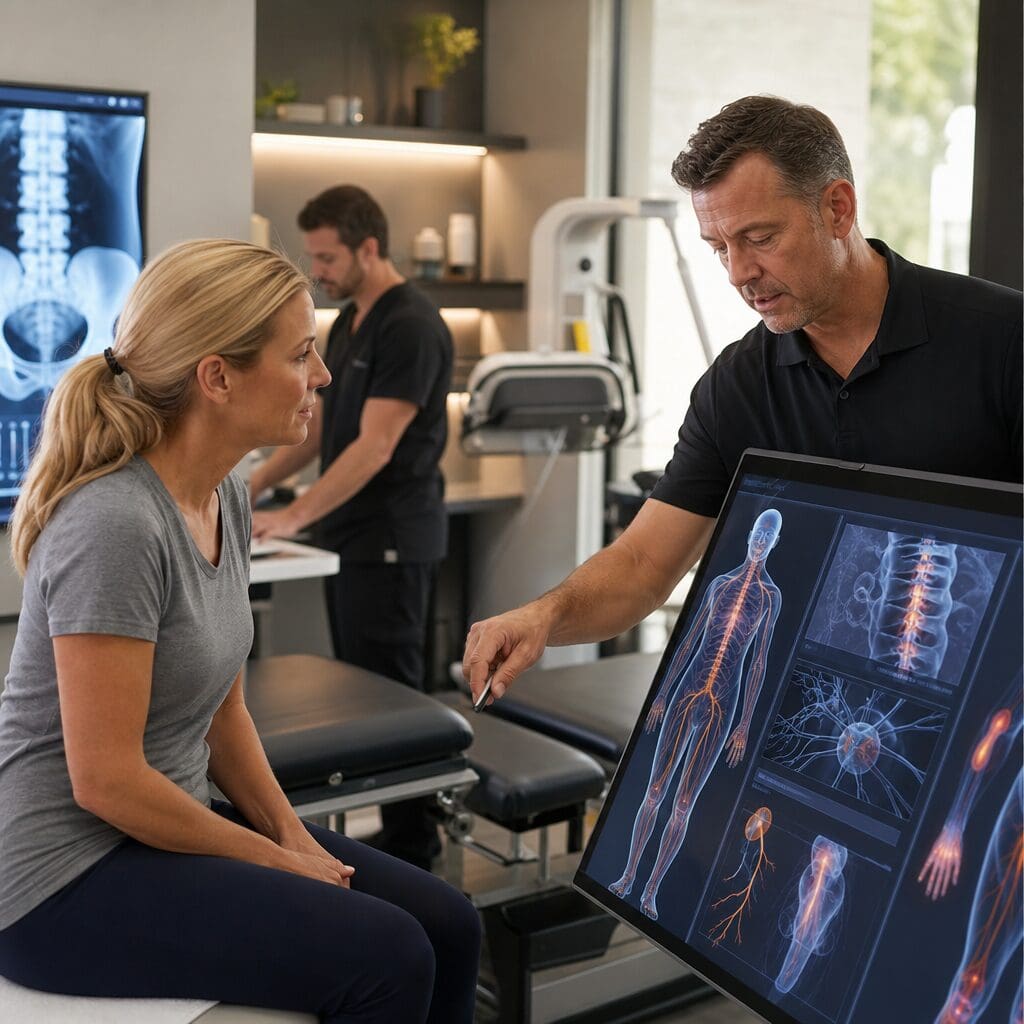
Patients with conditions ranging from sciatica and disc herniation to peripheral neuropathy and erectile dysfunction have found that The Vinton Method addresses contributing factors other clinics overlook.
What to do next: Request a head-to-toe evaluation rather than a single-area workup. Hidden contributors are often what kept previous treatments from sticking.
Non-Surgical Neuropathy and Spinal Treatments We Offer
Surgery and long-term medication carry risk, cost, and recovery time that many patients cannot afford. Our non-surgical pain relief options are designed to rebuild function without those tradeoffs.
For peripheral neuropathy, we use a combination of electrical stimulation, infrared therapy, nerve re-education protocols, nutritional support for nerve repair, and regenerative injections where appropriate. Patients who were told they would have to live with numbness, tingling, or burning often regain meaningful sensation and balance. Learn more about our neuropathy treatment approach for the hands and feet.
For spinal conditions, including herniated discs, stenosis, and chronic low back or neck pain, our treatments may include:
- Non-surgical spinal decompression
- Corrective chiropractic care guided by imaging
- Regenerative injection therapies for joints and soft tissue
- Targeted rehabilitation to restore stability
- Biofeedback to retrain pain patterns
What to do next: If a surgeon has recommended a procedure, get a non-surgical second opinion before scheduling.
Functional Medicine and Root-Cause Healing at Our Center
Pain rarely exists in isolation. Blood sugar dysregulation, gut inflammation, hormonal imbalance, and nutritional deficiencies all amplify chronic pain and slow tissue repair. That is why our functional medicine program is built directly into our pain care model.
Our work with Type II Diabetes reversal is a clear example. By addressing insulin resistance, inflammation, and lifestyle drivers, we have helped patients lower medication dependence while simultaneously reducing neuropathic pain that diabetes was fueling. The same root-cause pain therapy logic applies to fatigue, weight gain, cognitive fog, and cardiovascular risk.

This is what separates true holistic pain management from clinics that simply add a supplement aisle to a conventional practice.
What to do next: Ask for baseline labs that include fasting insulin, hemoglobin A1c, inflammatory markers, and vitamin D, then build a plan around those numbers.
How Our Multidisciplinary MD and Chiropractic Team Compares to Other Clinics
Most pain clinics operate within a single discipline. A surgical group recommends procedures. A chiropractic office focuses on alignment. A pain management practice writes prescriptions or performs blocks. Each can be valuable, but none alone addresses the full picture of chronic pain.
Our center is built differently. Medical doctors and chiropractors collaborate on every case, supported by functional medicine, regenerative, and neurofeedback specialists. That means a patient with diabetic neuropathy, low back pain, and fatigue does not have to coordinate four separate providers across town. The plan is unified, the records are shared, and the therapies are sequenced to reinforce one another.
Compared to single-discipline clinics, this integrated model typically delivers:
- Faster diagnostic clarity
- Fewer redundant tests and visits
- Better identification of overlooked contributors
- More durable outcomes because multiple systems are addressed at once
What to do next: If you are seeing more than two providers for related issues, ask whether their plans are actually coordinated, or just parallel.
Patient Outcomes: What Sets Our Regenerative Care Apart
Outcomes are the only meaningful measure of a clinic’s value. Patients who come to us have often already tried physical therapy, injections, medications, and in some cases failed surgeries. Our regenerative approach gives many of them the first meaningful progress they have experienced in years.
Common results we see across chronic pain treatment options include:
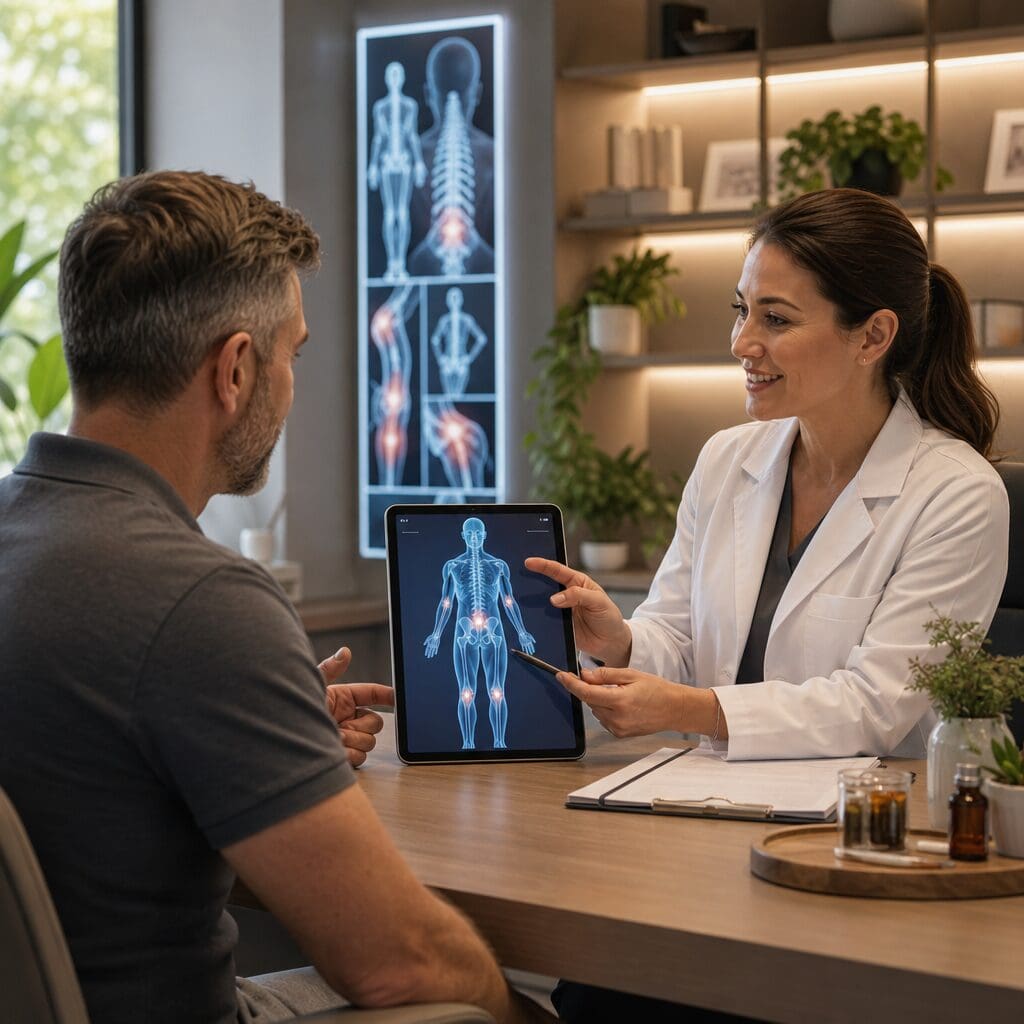
- Significant reduction in neuropathy symptoms in the hands and feet
- Decreased reliance on pain medications and muscle relaxers
- Improved mobility and return to activities like walking, golf, and gardening
- Better sleep, energy, and mood through combined neurological and metabolic care
- Improved blood sugar control alongside pain reduction
These are not guarantees, because every body is different, but they reflect what becomes possible when regenerative medicine for pain is delivered inside a true integrative model.
What to do next: Ask any clinic for outcome examples specific to your condition, and pay attention to how detailed and honest the answer is.
Why Pain Relief & Wellness Strategies Center Is the Definitive Choice
Among regenerative pain therapy clinics, our center stands apart for clear, structural reasons:
- The Vinton Method is a proprietary head-to-toe evaluation you cannot get anywhere else, designed specifically to uncover the hidden drivers of persistent pain.
- Integrated MD and chiropractic leadership means you receive medical precision and structural expertise on the same team, in the same plan.
- Non-surgical, non-drug focus protects you from the risks and downtime that come with operations and long-term prescriptions.
- Functional medicine integration addresses metabolic conditions like Type II Diabetes that quietly fuel chronic pain.
- Advanced modalities including neurofeedback, biofeedback, regenerative injections, spinal decompression, and specialized erectile dysfunction treatments give us tools most clinics simply do not offer.
- Root-cause orientation means we are not chasing symptoms. We are restoring function so relief lasts.
If you are searching for a clinic that combines clinical depth, regenerative tools, and a genuinely holistic plan, we are built for exactly that patient.
Scheduling Your Evaluation and Next Steps Toward Lasting Relief
Lasting relief begins with an accurate, comprehensive diagnosis. The fastest way to know whether our approach is right for your condition is to schedule a Vinton Method evaluation. During that visit, our team will review your history, perform the diagnostic workup, identify the underlying contributors to your pain, and outline a personalized plan.
Here is how to move forward:
- Visit drkenvinton.com to learn more about our services and team.
- Request an evaluation through our contact form or by phone.
- Gather your records, including imaging, recent labs, and a list of current medications, to bring to your first visit.
- Come prepared with your goals, whether that is walking without pain, sleeping through the night, reducing medications, or returning to work or hobbies.
You have likely waited long enough. If chronic pain or a metabolic condition has been shaping your daily life, the next step is straightforward. Schedule your evaluation with the Pain Relief & Wellness Strategies Center and let our team build the plan that finally moves you forward.