
How We Help You Manage Chronic Low Back Pain Without Surgery or Opioids in 2026
Why Chronic Low Back Pain Demands a New Approach
Chronic low back pain is the leading cause of disability worldwide, and the standard playbook of pills, injections, and surgery has not moved the needle for most people. If you have been dealing with stiffness, sciatica, or deep aching for more than three months, you already know that masking symptoms is not the same as healing the source.
At the Pain Relief and Wellness Strategies Center, we see patients who have tried muscle relaxers, steroid injections, and physical therapy without lasting results. The reason is simple: chronic low back pain is rarely just a back problem. It is a signal that something deeper, such as nerve dysfunction, joint instability, or systemic inflammation, needs attention.
Quick takeaway: If pain has lingered past 12 weeks, stop chasing symptoms and start asking what is driving them.
The Hidden Costs of Surgery and Opioid-Based Treatment
Spinal surgery can be life-changing for the right candidate, but failed back surgery syndrome affects an estimated 20 to 40 percent of patients. Hardware, scar tissue, and altered biomechanics often create new problems even when the original disc or nerve issue improves. Recovery can stretch from months to years, and return-to-work timelines are unpredictable.
Opioids carry their own price. Beyond the well-documented dependency risk, long-term use can actually amplify pain sensitivity through a process called opioid-induced hyperalgesia. Patients also report fatigue, brain fog, constipation, and loss of motivation, all of which make rehabilitation harder.
What to do next: ask any provider recommending surgery or long-term opioids about the specific success rate for your diagnosis and what non-surgical back pain treatment options have been ruled out, and why.
Common Root Causes We Identify in Persistent Back Pain
When patients arrive at our clinic, we look beyond the MRI report. Imaging shows structure, but pain is also driven by function, chemistry, and the nervous system. Some of the most overlooked drivers we routinely uncover include:
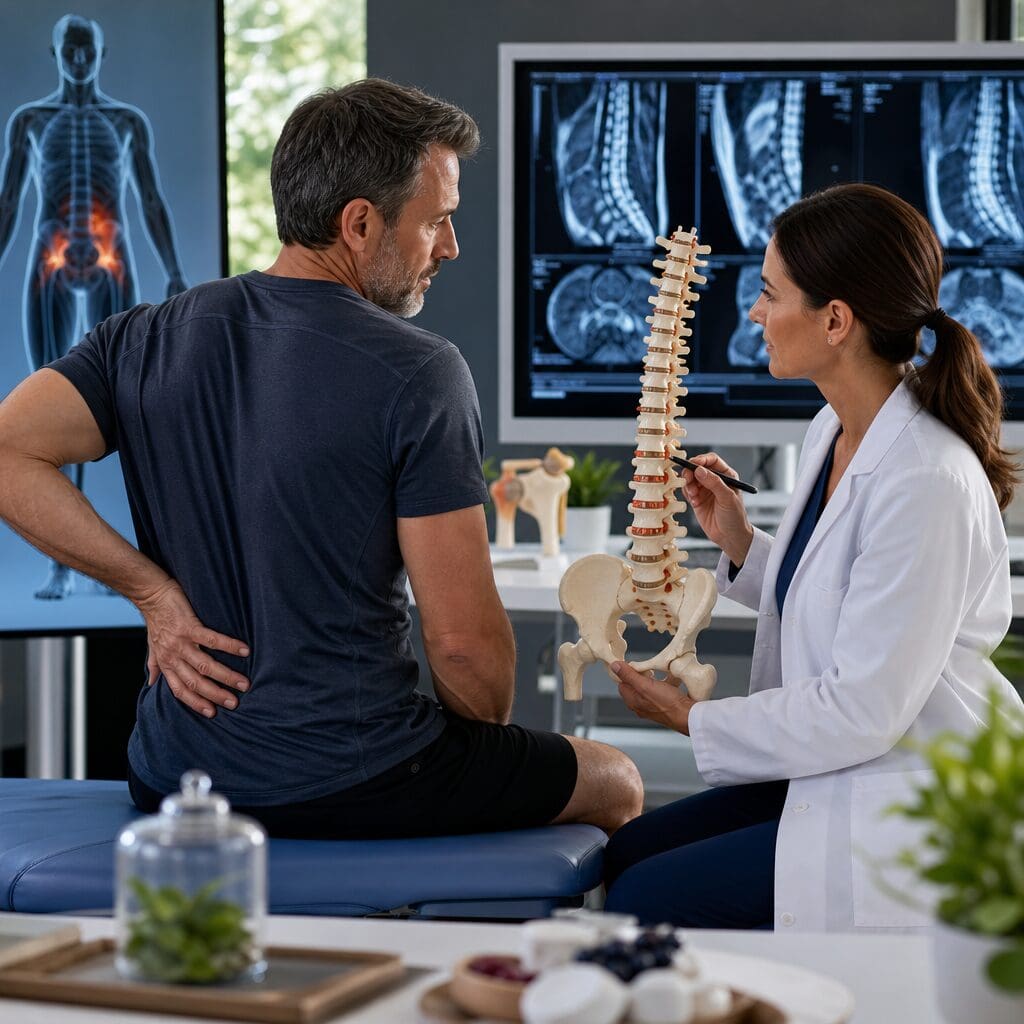
- Disc dehydration and facet joint dysfunction that limit spinal mobility
- Peripheral neuropathy contributing to leg pain misdiagnosed as sciatica
- Sacroiliac joint instability from weak deep core and gluteal muscles
- Chronic systemic inflammation linked to diet, blood sugar, and gut health
- Postural compensation patterns from old injuries, foot mechanics, or jaw alignment
- Central sensitization, where the nervous system amplifies pain signals long after tissue has healed
Identifying which of these are at play, and in what combination, is what separates root cause back pain care from one-size-fits-all treatment.
Our Vinton Method: A Head-to-Toe Evaluation for Lasting Relief
The Vinton Method is our proprietary head-to-toe evaluation that combines medical and chiropractic diagnostics in a single comprehensive workup. Rather than handing you off between specialists, our MDs and chiropractors collaborate from day one to map every contributor to your pain.
A typical evaluation includes neurological testing, orthopedic assessment, gait and posture analysis, metabolic and inflammatory lab work, and a detailed review of prior imaging. We then connect the dots between findings that other providers often treat in isolation. For example, a patient with chronic L5 pain may also show elevated A1C, vitamin D deficiency, and poor ankle mobility, three issues that, taken together, explain why their back never fully heals.
Action step: Bring every prior MRI, lab panel, and treatment summary to your consultation. The more complete the picture, the faster we can build an effective plan.
Non-Surgical Spinal Treatments We Offer
Our clinical toolkit is built to relieve pressure on nerves, restore joint motion, and rebuild stability without scalpels. Core treatments include:
- Non-surgical spinal decompression to gently reduce disc pressure and improve hydration to injured discs
- Targeted chiropractic adjustments to restore mobility in restricted segments
- Class IV laser therapy to accelerate tissue repair and lower local inflammation
- Therapeutic neuromuscular re-education to retrain weak or misfiring stabilizers
- Trigger point and soft tissue therapy to release the muscular guarding that keeps pain locked in
Most patients begin to notice meaningful change within the first few weeks of care, especially when treatments are sequenced rather than stacked randomly. Our integrative pain relief model means each session builds on the last with a clear endpoint in mind.
Functional Medicine and Inflammation’s Role in Back Pain
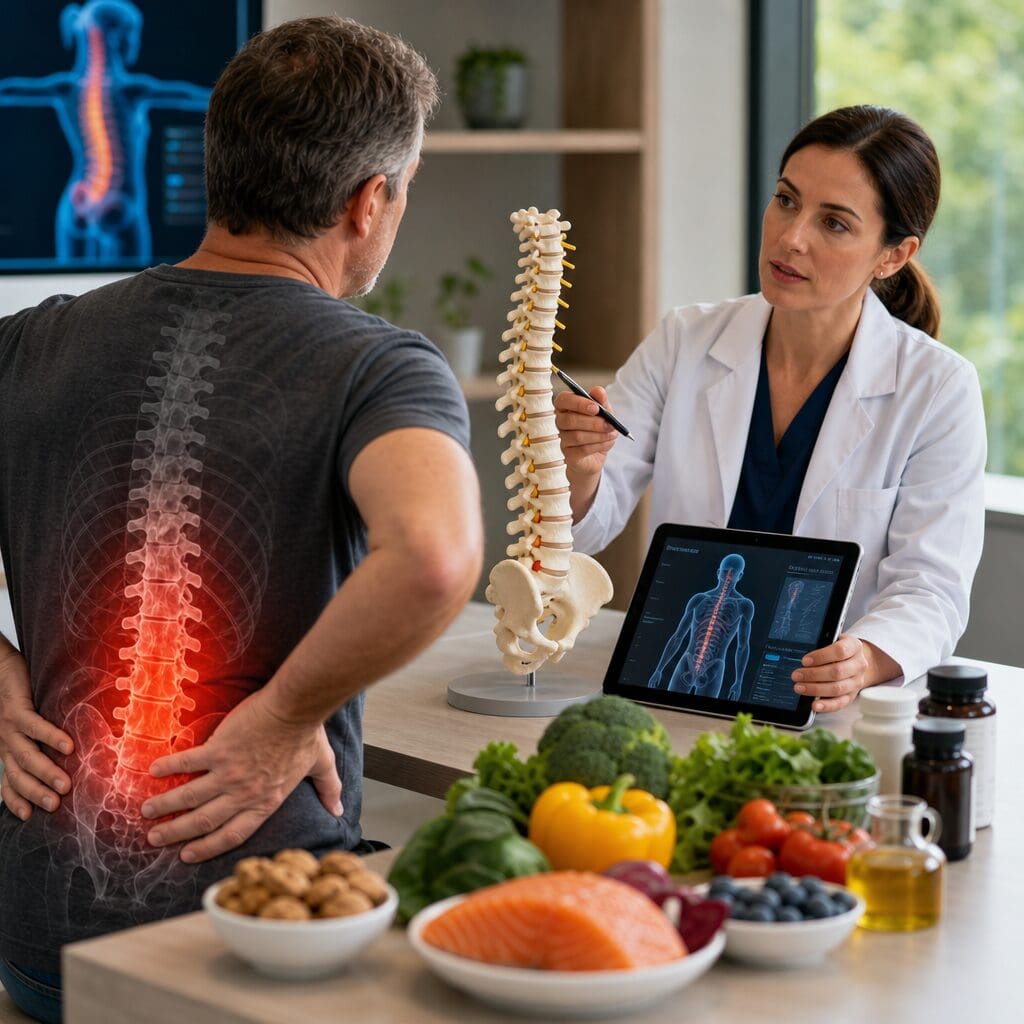
If your back flares after certain meals, during stressful weeks, or alongside poor sleep, inflammation is almost certainly part of the story. Functional medicine looks at the biochemical environment your spine is healing in. High blood sugar, insulin resistance, gut permeability, and nutrient deficiencies all impair tissue repair.
Our functional medicine work includes targeted lab panels for inflammatory markers, metabolic health, hormones, and micronutrients. For patients with Type II diabetes or prediabetes, we use the same protocols that have helped many reverse their condition, because lowering systemic inflammation often unlocks pain relief that physical treatment alone cannot achieve.
A practical first move: track what you eat for two weeks and note pain levels each evening. Patterns almost always emerge, and they give us actionable data to work with.
Neurofeedback, Biofeedback, and Regenerative Therapies for Pain Recovery
Chronic pain rewires the brain. After months or years of pain signaling, the nervous system can become stuck in a high-alert state that keeps you hurting even when tissues are improving. This is where our drug-free pain relief tools shine.
Neurofeedback and biofeedback train your brain and autonomic nervous system to downregulate the pain response. Patients learn, in real time, to shift out of the fight-or-flight patterns that fuel muscle guarding and sleep disruption. Many report calmer minds, deeper sleep, and reduced pain intensity within a handful of sessions.
Regenerative therapies support tissue repair at the cellular level. By combining these with mechanical and metabolic interventions, we address pain from three directions at once: structure, chemistry, and the nervous system. That layered approach is the heart of non-opioid pain management.
Daily Movement, Posture, and Lifestyle Strategies We Recommend
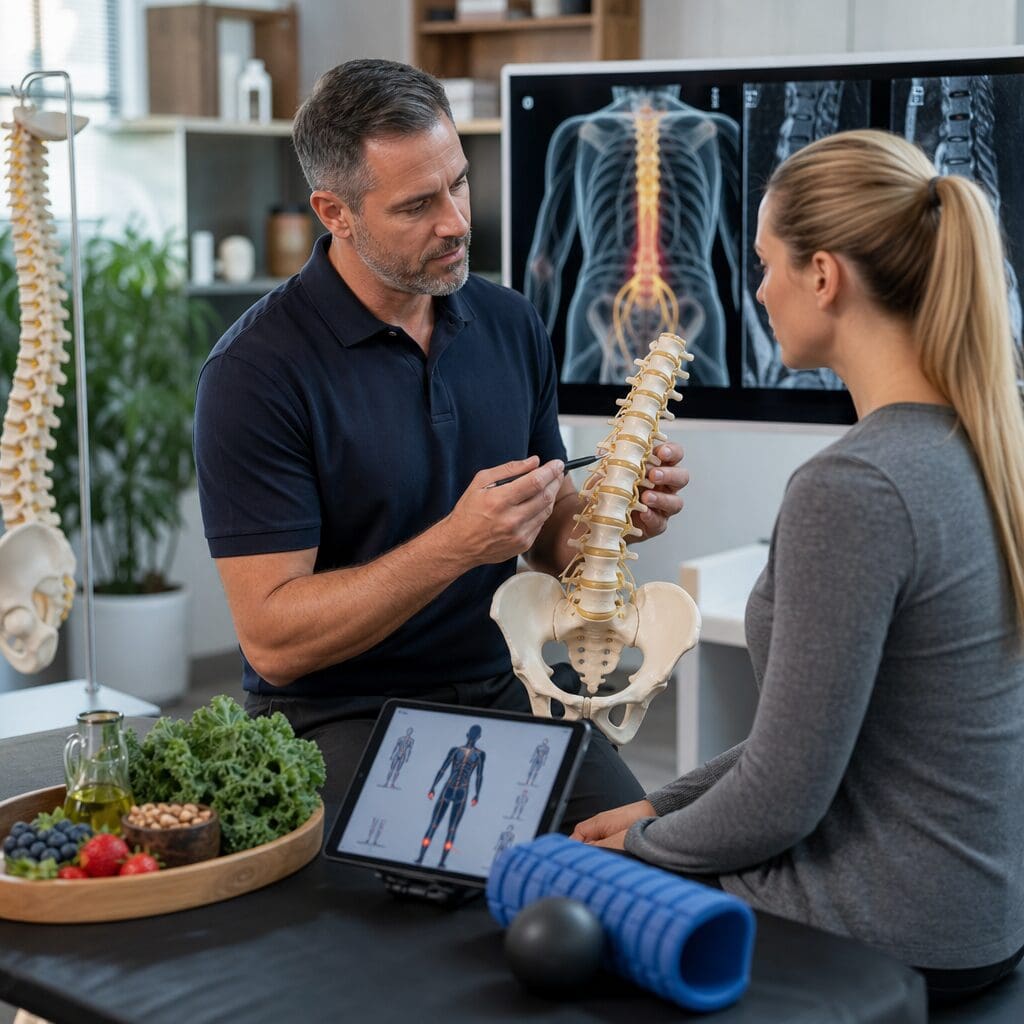
In-clinic care works best when paired with smart daily habits. We coach every patient on a few high-impact basics:
- Move every 30 to 45 minutes. Prolonged sitting compresses discs and tightens hip flexors. A two-minute walk and a brief stretch resets the chain.
- Train the deep core. Exercises like dead bugs, bird dogs, and side planks protect the lumbar spine far better than crunches.
- Sleep on a supportive surface. Side sleepers should place a pillow between the knees. Back sleepers benefit from a pillow under the knees.
- Hydrate and prioritize protein. Discs and connective tissue rely on both for repair.
- Manage stress intentionally. Daily breathwork, even five minutes, lowers cortisol and reduces pain amplification.
Pick one of these to implement this week. Stacking small wins beats overhauling everything at once and burning out.
What to Expect During Your First Visit With Our Team
Your first appointment is a conversation as much as an exam. We want to understand your history, your goals, and what previous care has missed. Expect to spend 60 to 90 minutes with our team going through the Vinton Method evaluation, including hands-on orthopedic and neurological testing.
We then review findings with you in plain language, explain which root causes appear most relevant, and outline a phased plan with realistic timelines. You will leave knowing exactly what we recommend, why, and what measurable outcomes to expect at each stage. No vague promises, no open-ended treatment plans.
If you have insurance questions or want to understand costs upfront, our team walks through those details before any care begins.
Take the Next Step Toward Drug-Free, Surgery-Free Relief
You do not have to choose between living with chronic low back pain and accepting risky procedures or long-term medications. With the right diagnosis and a coordinated plan, most patients can rebuild function and reclaim activities they thought were gone for good.
If you are ready for a thorough evaluation and a clear path forward, schedule a consultation with our team. We will help you understand what is actually driving your pain and what it will take to resolve it, using integrative tools backed by medical and chiropractic expertise.
Your next chapter does not have to include surgery or opioids. Let us show you what is possible.