
How Functional Medicine Can Reverse Type II Diabetes and Neuropathy Naturally
The Hidden Link Between Type II Diabetes and Neuropathy
Type II diabetes and peripheral neuropathy are often discussed as separate conditions, but they share the same biological roots. Chronically elevated blood sugar damages the tiny vessels that feed nerve fibers, starving them of oxygen and nutrients. Over time, this microvascular injury leads to the burning, tingling, numbness, and sharp pains that define diabetic neuropathy.
Roughly half of people with long-standing Type II diabetes develop some form of nerve damage, and many notice symptoms in their feet before they understand the cause. Insulin resistance, systemic inflammation, oxidative stress, and gut imbalances all amplify the problem. That means treating the nerves without addressing metabolism, or vice versa, leaves the underlying disease in motion.
What to do next: If you have a diabetes diagnosis and any numbness, balance changes, or foot pain, request a comprehensive metabolic and neurological evaluation rather than waiting for symptoms to progress.
Why Conventional Treatments Manage Symptoms Instead of Reversing Disease
Standard care for Type II diabetes typically centers on medications that lower blood sugar readings, such as metformin or insulin. Neuropathy is usually handled with nerve pain drugs like gabapentin, pregabalin, or antidepressants prescribed off-label. These tools can mute symptoms, but they rarely repair damaged nerves or restore healthy glucose regulation.
The result is a familiar pattern: rising A1C, escalating prescriptions, new side effects, and progressive nerve loss. Patients are often told their condition is permanent and that the goal is “management.”
We see this differently. When the underlying drivers are identified and corrected, blood sugar can normalize and nerves can begin to heal. A symptom-suppression strategy alone cannot deliver that outcome because it never asks why the disease developed in the first place.
What Functional Medicine Is and How It Targets Root Causes
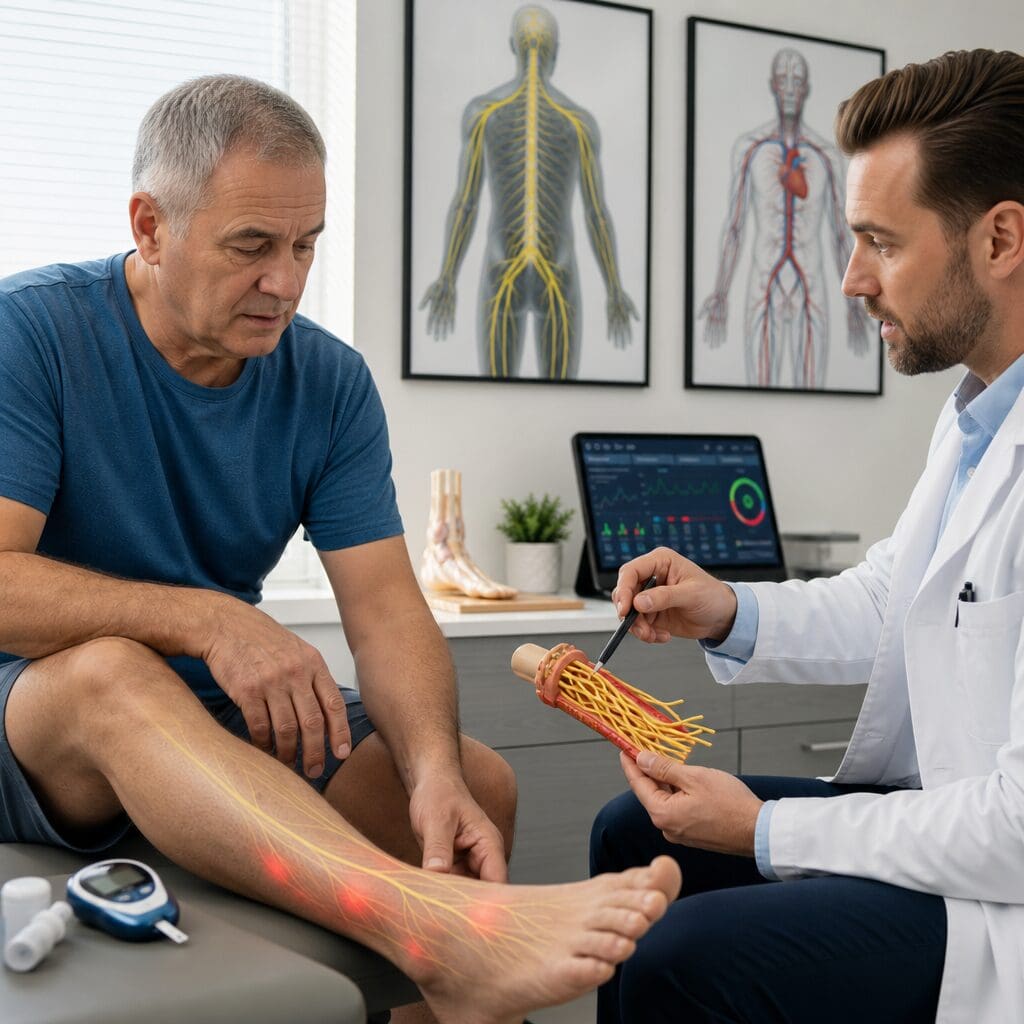
Functional medicine is a systems-based approach that looks at how diet, hormones, gut function, inflammation, toxins, sleep, and stress interact to produce disease. Instead of matching a drug to a diagnosis, we map the biology behind your symptoms and intervene where the breakdown is actually happening.
For metabolic disease, that typically involves:
- Advanced lab testing beyond a standard A1C, including fasting insulin, continuous glucose data, inflammatory markers, micronutrients, and hormone panels
- Identifying and correcting insulin resistance, fatty liver, and gut dysbiosis
- Personalized nutrition, targeted supplementation, and structured movement
- Addressing sleep, stress, and environmental exposures that disrupt glucose control
This is what makes functional medicine for diabetes so different from a one-size-fits-all prescription pad. Two people with the same A1C may need very different protocols, and root-cause diabetes reversal depends on getting that personalization right.
The Vinton Method: Our Head-to-Toe Approach to Metabolic Healing
The Vinton Method is our proprietary evaluation and care system that combines medical and chiropractic expertise under one roof. Rather than treating diabetes in one office and neuropathy in another, we assess the whole patient in a single coordinated process.
A typical head-to-toe evaluation includes:
- A detailed metabolic workup to identify insulin resistance, inflammation, and nutrient deficiencies
- Neurological testing to measure small and large fiber nerve function
- Structural and circulatory assessment to find areas of compression, poor perfusion, or spinal involvement
- A review of lifestyle, medication burden, and previous treatment history
From there, our multidisciplinary team, including MDs and chiropractors, builds an integrated plan. That collaboration is what makes non-drug diabetes care realistic for patients who have been told their only options are more medication or surgery.
What to do next: Bring a complete medication list and any recent labs to your first visit so we can layer that data into your evaluation immediately.
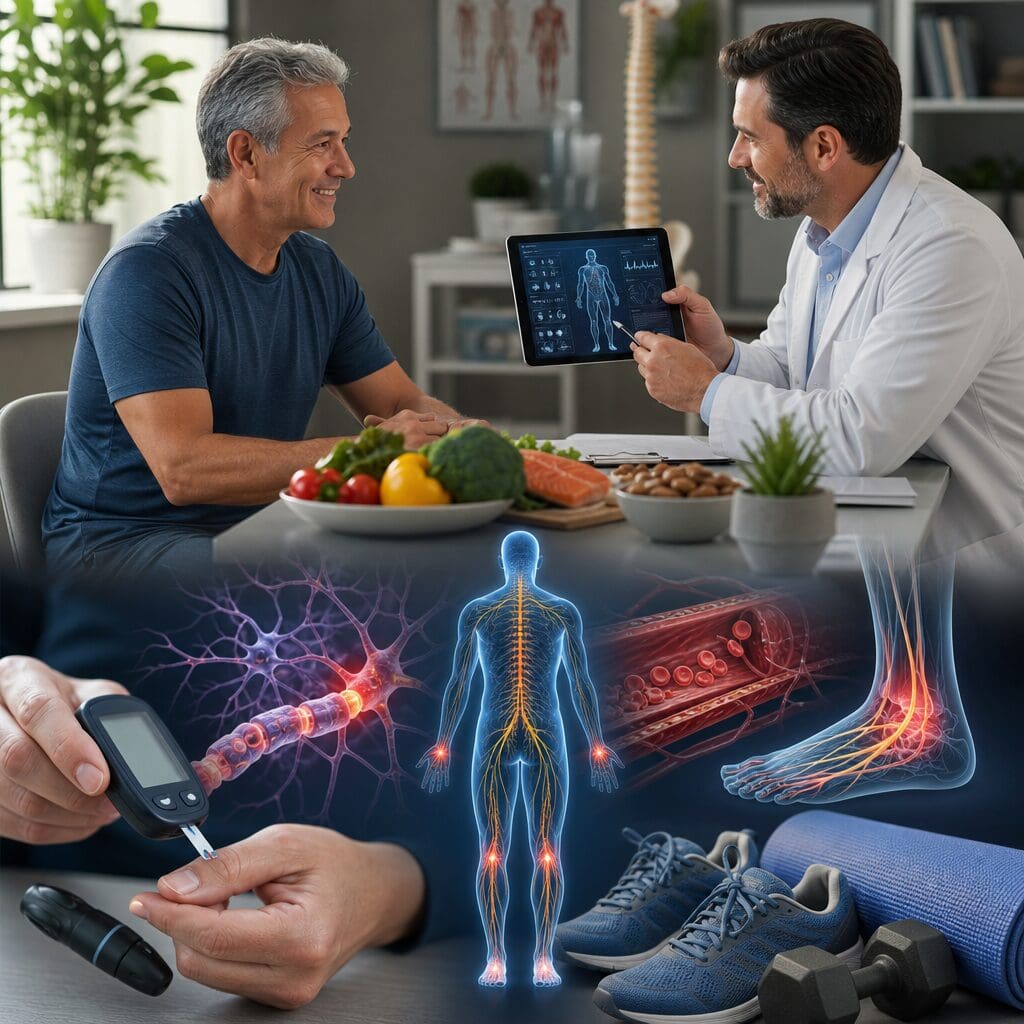
Reversing Type II Diabetes Through Personalized Functional Protocols
To reverse Type II diabetes, we focus on restoring insulin sensitivity rather than simply pushing glucose lower with drugs. Each protocol is built around the specific drivers we uncover during testing.
Common components include:
- Targeted nutrition. A lower-glycemic, anti-inflammatory eating pattern designed around your labs, preferences, and culture. We focus on what to add, not just what to remove.
- Strategic supplementation. Nutrients such as magnesium, alpha-lipoic acid, berberine, omega-3s, and B vitamins are used where deficiencies or biochemical needs exist.
- Movement prescriptions. Short, structured activity that improves glucose uptake without overwhelming patients with pain or fatigue.
- Sleep and stress recalibration. Poor sleep and chronic stress raise cortisol and blood sugar; we address both with practical tools, including neurofeedback and biofeedback when appropriate.
- Medication coordination. As metabolic markers improve, we work with prescribing providers to safely taper medications.
Patients commonly see meaningful changes in fasting glucose, energy, and weight within the first 60 to 90 days, with A1C following. The goal is durable change, not a temporary dip.
Restoring Nerve Health With Non-Surgical Neuropathy Treatments
Nerve fibers can regenerate when given the right conditions. Our neuropathy treatment program is designed to deliver those conditions through a combination of metabolic correction and direct nerve and circulatory therapies.
Our non-surgical, non-drug approach often includes:
- Electrical signaling therapies that stimulate damaged nerves and reduce pain signaling
- Therapies that improve microcirculation to the hands and feet
- Regenerative strategies that support tissue repair
- Spinal and structural care to relieve mechanical contributions to nerve symptoms
- Nutritional support specifically targeted at nerve membrane and myelin health

Patients frequently report measurable peripheral neuropathy relief: less burning at night, improved balance, restored sensation, and the ability to walk further without pain. Because we are also correcting the metabolic engine behind the damage, results tend to hold rather than rebound.
What to do next: If you have been told to “live with” neuropathy or that gabapentin is your only option, ask for a small-fiber nerve assessment to see how much function can still be recovered.
What Patients Can Expect During Their Care Journey With Us
We want the process to feel clear from day one. Most patients move through a predictable sequence:
- Initial consultation. We review your history, current symptoms, and goals to confirm we are the right fit.
- Comprehensive evaluation. Lab work, neurological testing, and structural assessment using the Vinton Method.
- Findings and plan. A direct conversation about what we found, what is reversible, and the specific protocol we recommend.
- Active care phase. Hands-on therapies, metabolic coaching, and regular progress checks, typically over several months.
- Maintenance and prevention. Once goals are met, we transition to a sustainable plan that protects your results.
Throughout the journey, you have access to a coordinated team rather than a single provider working in isolation. Questions about supplements, food choices, exercise modifications, or medication concerns get answered by people who already know your case.
Take the First Step Toward Lasting Diabetes and Neuropathy Relief
Type II diabetes and neuropathy do not have to be lifelong sentences. With the right testing, the right team, and a plan that targets the root cause, it is possible to lower A1C, restore nerve function, reduce medication burden, and reclaim daily activities that pain or fatigue had taken away.
If you are ready to explore root-cause diabetes reversal and non-surgical care for nerve pain, we invite you to schedule a consultation at the Pain Relief and Wellness Strategies Center. Bring your questions, your recent labs if you have them, and an open mind about what your body is still capable of.
Your next step: Visit drkenvinton.com to request an evaluation and learn whether the Vinton Method is the right path for your health goals in 2026.