
Non-Surgical Pain Care in 2026: Why Patients Choose Our Vinton Method Over Spine Team Texas
The Hidden Cost of Living With Chronic Pain
Chronic pain rarely stays in one place. A sore lower back becomes disrupted sleep, then skipped workouts, then short tempers at the dinner table, then a quiet retreat from the activities that used to define a person. By 2026, more than 50 million American adults live with persistent pain, and the toll shows up in lost wages, strained relationships, and growing dependence on medications that mask symptoms without solving them.
The financial cost is just as steep. Patients often cycle through specialists, imaging, injections, and pharmacy refills, spending thousands of dollars per year while their function continues to decline. We see it every week: people who were told their only remaining options were surgery or stronger prescriptions.
What to do next: Track your pain for one week. Note when it spikes, what activities you avoid, and which medications you take. This baseline is the first concrete step toward measurable relief.
What Non-Surgical Pain Care Should Actually Deliver
Effective non-surgical pain care should do three things at once: reduce symptoms quickly, identify the underlying cause, and rebuild function so the pain does not return. Anything less is a temporary patch.
When patients evaluate options for chronic pain relief, we encourage them to ask a few direct questions:
- Will my care plan address the root cause, not just the painful area?
- Are MDs and chiropractors collaborating on my diagnosis?
- What measurable outcomes should I expect at 30, 60, and 90 days?
- How will we taper medications safely as function returns?
- What happens if conservative care alone is not enough?
A program that cannot answer these clearly is unlikely to deliver lasting results. Drug-free pain solutions only work when they are paired with a precise diagnostic process and a team accountable for outcomes.
Why Surgery-Adjacent Models Often Fall Short for Chronic Pain Sufferers
Many regional pain centers and spine-focused groups in Texas and beyond are structured around surgical pathways. Even when they offer “conservative” options first, the underlying business model favors procedures, injections, and imaging-driven decisions. Patients frequently report a familiar pattern: an MRI, an injection series, and a surgical consult within weeks.

The problem is not the existence of surgery. Some patients genuinely need it. The problem is treating every chronic pain case as a surgical question waiting for an answer. This approach often misses metabolic drivers like blood sugar dysregulation, neurological inputs from posture and gait, soft-tissue dysfunction, and inflammatory load from lifestyle factors.
When the diagnostic lens is narrow, the treatment options narrow with it. That is why so many patients arrive at our office after spine-focused programs have already exhausted their playbook.
Inside the Vinton Method: Our Head-to-Toe Evaluation Process
The Vinton Method is our proprietary head-to-toe diagnostic and treatment framework, built to find what other providers miss. Instead of focusing only on the site of pain, we evaluate the entire body as one interconnected system.
A typical evaluation includes:
- Structural assessment: spinal alignment, joint mechanics, gait, and posture
- Neurological screening: nerve conduction, reflex patterns, and balance testing
- Metabolic workup: blood panels covering glucose regulation, inflammation, thyroid, and key nutrients
- Functional movement analysis: identifying compensations that perpetuate pain
- Lifestyle and history review: sleep, stress, prior injuries, and medications
This breadth matters. A patient with chronic low back pain may also have undiagnosed insulin resistance feeding systemic inflammation. A neuropathy patient may have a cervical contribution no one investigated. By mapping every system, we build a care plan that targets cause rather than symptom. Learn more about our Comprehensive Healing with The Vinton Method.
How Our Multidisciplinary MD and Chiropractic Team Treats the Root Cause
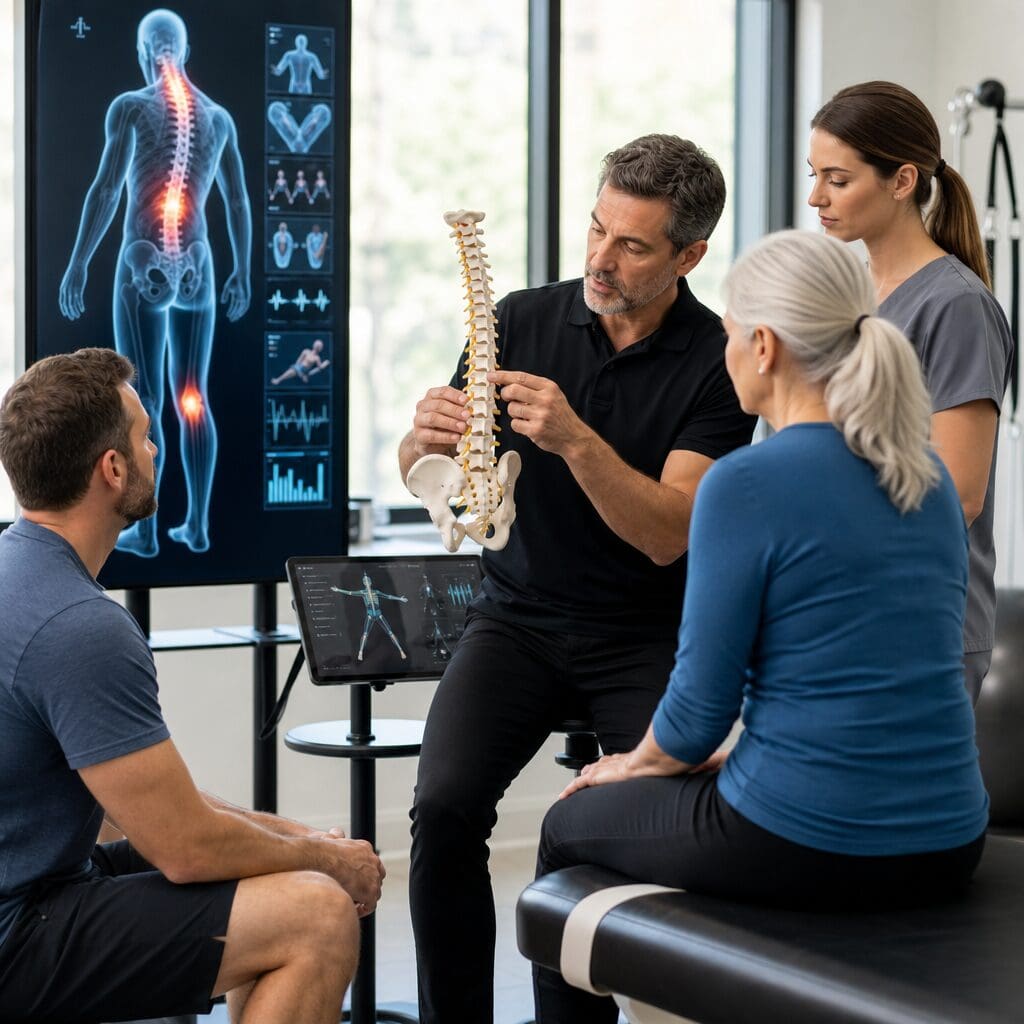
Root-cause pain care requires more than one specialty. Our team pairs medical doctors with chiropractors and functional medicine practitioners who review each case together. This is not a referral chain. It is a single coordinated plan.
In practice, that means an MD can order labs and oversee medical interventions while a chiropractor restores joint and nerve function, and a functional medicine clinician addresses the metabolic factors driving inflammation. Each provider sees the same chart, the same goals, and the same progress markers.
For patients who have bounced between specialists, the difference is immediate. There is one team, one diagnosis, and one integrated pain management plan, which dramatically shortens the time from first visit to meaningful relief.
Conditions We Resolve Without Surgery or Long-Term Medication
Our case mix reflects the conditions most commonly underserved by conventional care. We regularly help patients with:
- Peripheral neuropathy: numbness, burning, and balance problems in the hands and feet
- Chronic neck and low back pain: including disc-related symptoms and post-surgical pain
- Sciatica and radiculopathy: nerve pain radiating into the limbs
- Headaches and migraines: cervicogenic and tension-driven patterns
- Type II diabetes and metabolic syndrome: with functional medicine protocols aimed at reversal
- Erectile dysfunction: addressed through vascular, hormonal, and neurological pathways
- Joint pain: knees, shoulders, and hips, often labeled “bone on bone”
In each category, we have helped patients reduce or eliminate medications, avoid recommended surgeries, and return to activities they had given up. Our non-surgical spine treatment protocols, in particular, give patients an alternative when fusion or laminectomy has been presented as inevitable.
Advanced Therapies That Set Our Care Apart: Neurofeedback, Biofeedback, and Regenerative Medicine
Beyond manual care and medical management, we use targeted technologies that accelerate healing and retrain the nervous system.
- Neurofeedback: trains the brain to regulate pain signaling, sleep, and stress responses, which is essential for patients whose chronic pain has rewired their nervous system
- Biofeedback: gives real-time data on muscle tension, breathing, and heart rate variability so patients can actively reduce the physiological drivers of pain
- Regenerative therapies: support tissue repair in joints, tendons, and peripheral nerves
- Advanced NeuroSpinal Alignment: restores proper communication between the brain and body without surgical intervention
These tools are not novelties. They are integrated into care plans where the diagnostics show they will move the needle. That selectivity is part of why outcomes hold up over time.
What to Expect During Your First Visit With Us
Your initial appointment is built around listening and measuring, not rushing into treatment. Plan on roughly 60 to 90 minutes.
Here is what typically happens:
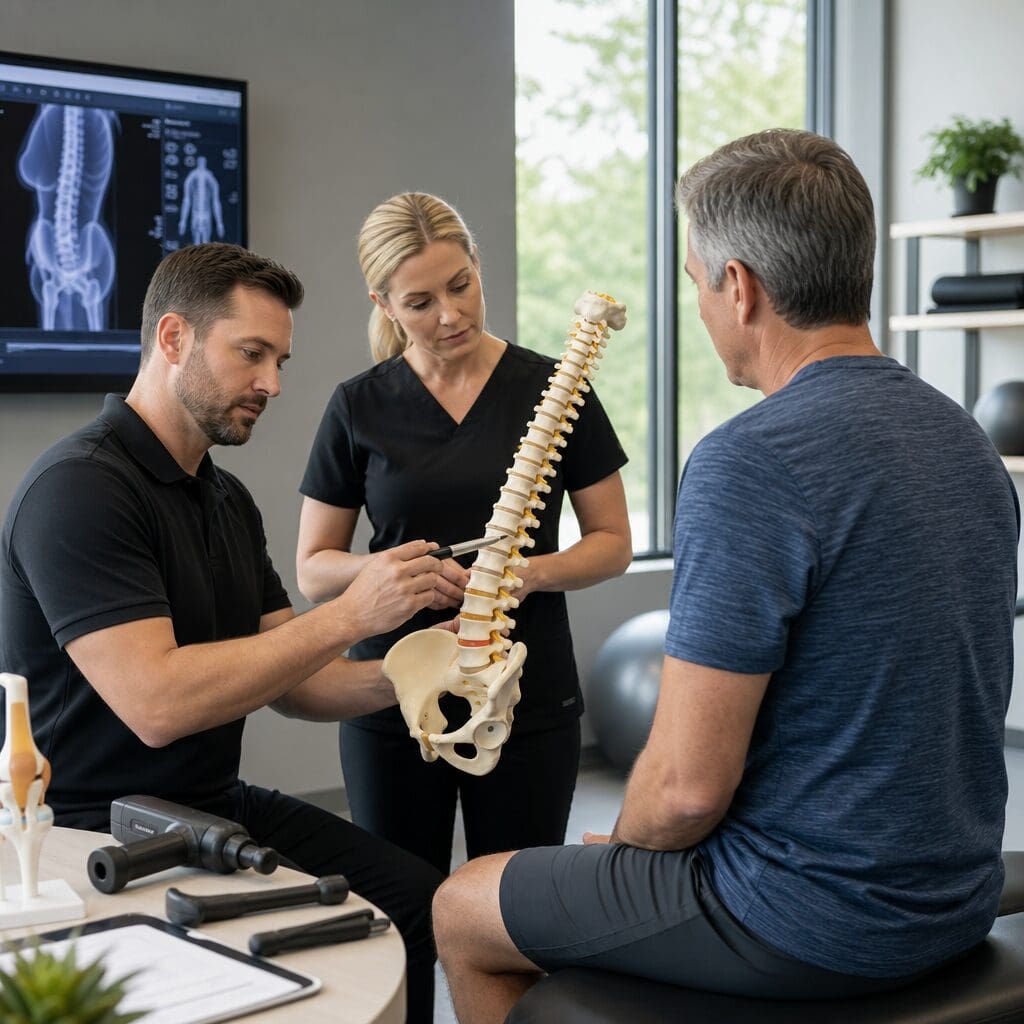
- Detailed history: we review your pain timeline, prior treatments, imaging, and medications
- Comprehensive examination: structural, neurological, and functional testing
- Diagnostic recommendations: labs or imaging if not already current
- Initial findings discussion: what we suspect is driving your condition and why
- Care plan preview: projected timeline, therapies, and expected milestones
You leave with clarity, not a stack of unrelated referrals. If we do not believe we can help, we will tell you directly and point you to the right resource.
Patient Outcomes and Quality-of-Life Restoration
Outcomes are what matter, so we measure them. Patients in our programs commonly report:
- Significant reduction in daily pain scores within the first 30 to 60 days
- Reduced or eliminated reliance on opioids, gabapentin, and NSAIDs
- Improved balance and sensation in neuropathy cases
- Lower A1C and reversal markers in Type II diabetes protocols
- Return to walking, golfing, gardening, traveling, and uninterrupted sleep
One patient came to us after being scheduled for spinal fusion. Within 12 weeks of integrated care, his pain had dropped from an 8 to a 2, he canceled the surgery, and he returned to coaching his grandson’s baseball team. Stories like his are not exceptional in our practice. They are the goal of every care plan we build.
Schedule a Consultation With the Pain Relief & Wellness Strategies Center
If you are tired of cycling through providers, prescriptions, and procedures without lasting relief, we would like to help. The Vinton Method was built specifically for patients who have been told their only options are surgery or stronger medication and who suspect there has to be a better way.
To get started:
- Call our office to schedule a comprehensive evaluation
- Bring any recent imaging, lab work, and a current medication list
- Come ready to discuss your goals, not just your symptoms
Visit drkenvinton.com to learn more or request an appointment. Lasting, non-surgical pain care is possible, and we would be glad to show you what it looks like for your specific situation.