
Top 8 Natural Strategies to Reverse Type II Diabetes and Improve Neuropathy in 2026
1. Understand the Root Causes of Type II Diabetes and Neuropathy
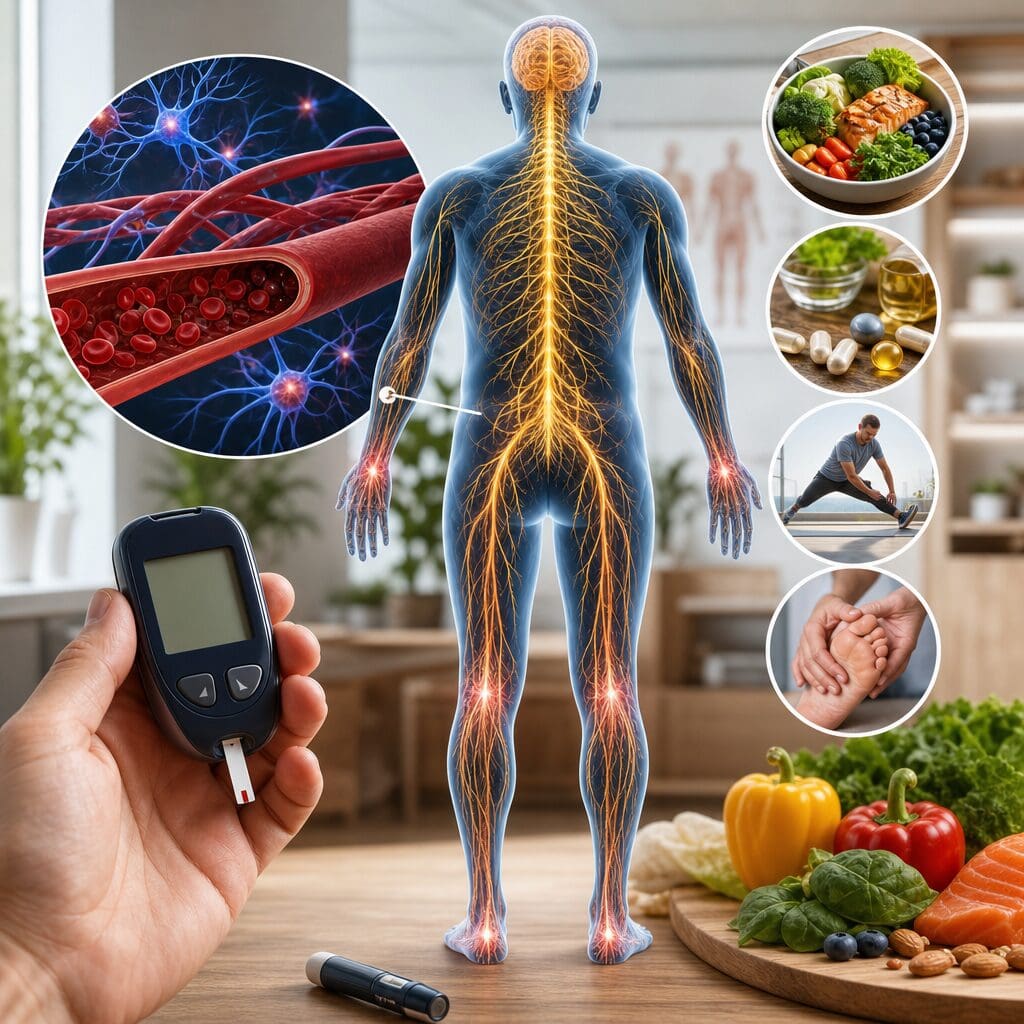
Type II diabetes and peripheral neuropathy are not separate problems. They share the same metabolic origin: chronic blood sugar dysregulation that damages small nerves, blood vessels, and cellular energy production over time. When insulin resistance builds, glucose lingers in the bloodstream, glycates proteins, and starves nerve endings of oxygen and nutrients. The result is burning feet, numb hands, fatigue, and a long list of secondary issues.
Most conventional care manages symptoms with medications that lower numbers without addressing why the dysfunction started. The real drivers usually include excess refined carbohydrates, hidden inflammation, gut dysbiosis, nutrient deficiencies, poor sleep, and unmanaged stress. To reverse type II diabetes naturally, we have to treat the system, not the lab value.
Takeaway: Ask your provider for a full metabolic panel including fasting insulin, A1C, hs-CRP, and a B12 level. If anyone is only checking glucose and A1C, you are missing the upstream picture.
2. Adopt an Anti-Inflammatory, Low-Glycemic Nutrition Plan
Food is the fastest lever for blood sugar control. A low-glycemic, anti-inflammatory plan stabilizes insulin within days and gives nerves the raw material to heal. We coach patients toward whole foods that keep post-meal glucose under 140 mg/dL while removing the inflammatory triggers that worsen neuropathy pain.
A practical starting framework:
- Build each plate around non-starchy vegetables, clean protein (wild fish, pasture-raised poultry, grass-fed beef), and healthy fats (olive oil, avocado, nuts).
- Eliminate refined sugar, industrial seed oils, ultra-processed snacks, and most flour-based products.
- Add fiber-rich foods like flax, chia, leafy greens, and berries to slow glucose absorption.
- Time your meals. A 12 to 14 hour overnight fast often drops fasting glucose within two weeks.
Takeaway: Use a continuous glucose monitor for two weeks to see exactly how your meals affect you. The data is more persuasive than any food rule.
3. Restore Nerve Health with Targeted Vitamins and Nutrients
Damaged peripheral nerves need specific building blocks to repair their myelin sheaths and restore signal conduction. Generic multivitamins rarely deliver therapeutic doses, which is why we use targeted protocols based on lab work and symptom mapping.
Nutrients that show consistent results in our patients:
- Alpha-lipoic acid for nerve pain and insulin sensitivity
- Benfotiamine (fat-soluble B1) to reduce glycation damage
- Methylcobalamin (B12) for nerve regeneration, especially in patients on metformin
- Acetyl-L-carnitine to support mitochondrial energy in nerve cells
- Magnesium glycinate for nerve excitability and sleep
- Vitamin D3 with K2 to modulate inflammation
Takeaway: Do not guess on dosing. We test, then prescribe, so every supplement does measurable work instead of producing expensive urine.
4. Use Functional Movement and Low-Impact Exercise to Rebuild Insulin Sensitivity
Muscle is the largest glucose sink in the body. Every time you contract a muscle, it pulls sugar from the bloodstream without needing insulin. That is why even modest movement can change a diabetic profile in weeks. For patients with neuropathy, the challenge is doing this without aggravating sore, unstable feet.
A safer progression we recommend:
- Daily walking in supportive shoes, starting at 10 minutes after meals and building from there
- Resistance training twice a week, focused on large muscle groups (legs, back, chest)
- Balance work like tandem stance and single-leg holds to protect against falls
- Aquatic exercise for patients with significant foot pain or arthritis
A short post-meal walk can blunt a glucose spike by 30 percent or more. That is real medicine, delivered free.
Takeaway: Pair every meal with 10 minutes of walking before you check email. Within 30 days you will see the difference on your monitor.
5. Improve Circulation with Non-Surgical Neuropathy Therapies
Nutrition and movement create the conditions for healing, but damaged nerves often need direct intervention to wake up. Conventional medicine offers gabapentin and similar drugs that mask symptoms while nerves continue to degenerate. We take the opposite approach: restore blood flow, stimulate nerve regeneration, and remove mechanical pressure on the nervous system.
Our non-surgical neuropathy program combines:
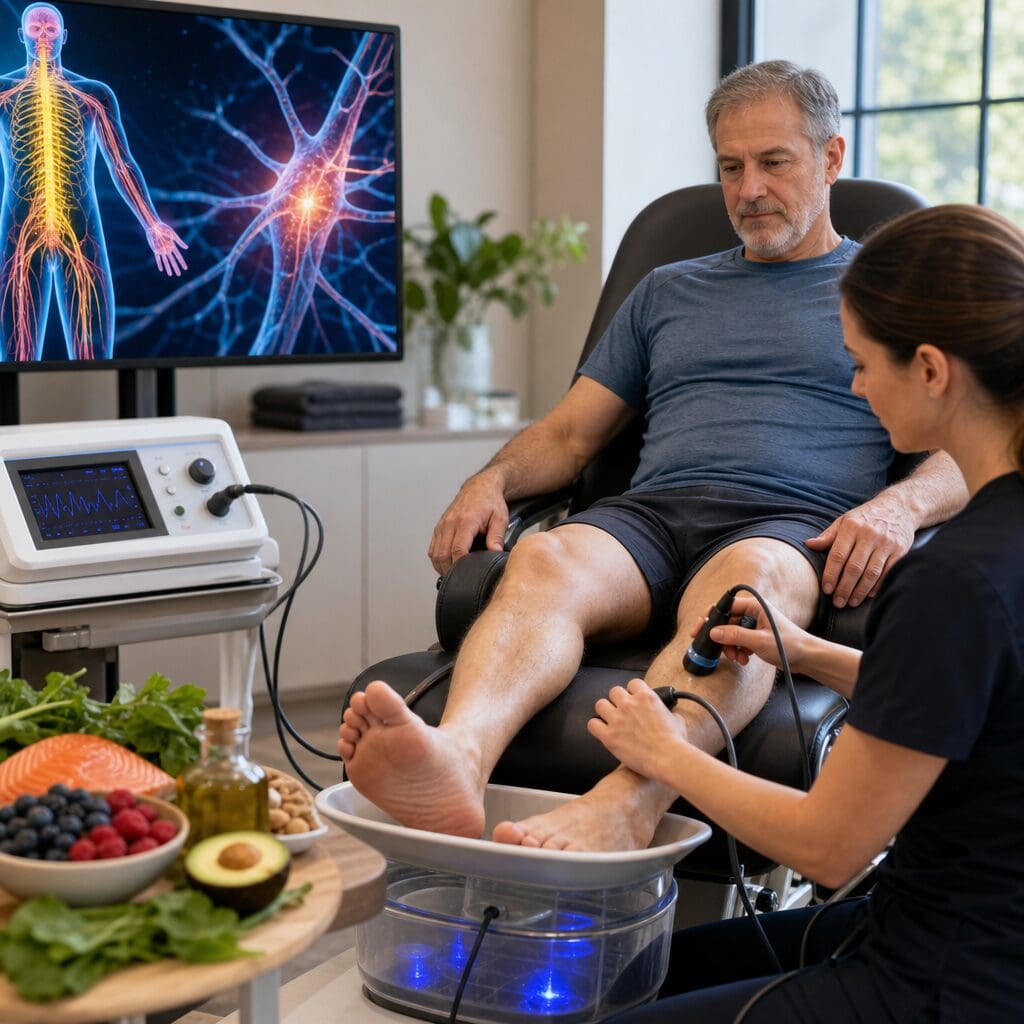
- Electroanalgesia and nerve re-education to reopen communication between brain and limb
- Infrared and red light therapy to improve microcirculation in the feet and hands
- Vibration and proprioceptive training to rebuild sensation and balance
- Chiropractic adjustments and spinal decompression to reduce nerve root irritation that mimics or amplifies peripheral neuropathy
This is the kind of natural neuropathy treatment that addresses physiology, not just perception of pain.
Takeaway: If you have been told to “live with it,” get a second opinion from a clinic that measures nerve function before and after care. Objective improvement is possible.
6. Manage Stress Through Neurofeedback and Biofeedback
Chronic stress drives cortisol, and cortisol drives blood sugar. Patients who eat well and exercise but stay stuck in fight-or-flight rarely see full reversal. The autonomic nervous system has to come back into balance for the metabolic system to follow.
Neurofeedback trains the brain to produce healthier wave patterns, while biofeedback teaches you to consciously regulate heart rate variability, breathing, and skin conductance. In practice, this means fewer 3 a.m. wake-ups, lower fasting glucose, less anxiety, and better pain tolerance.
Takeaway: Add a 5-minute slow-breathing practice (4 seconds in, 6 seconds out) before each meal. It primes your nervous system for better digestion and glucose handling.
7. Prioritize Sleep and Metabolic Recovery
One night of poor sleep can raise insulin resistance by 25 percent the next day. Sleep apnea, which is common in patients with metabolic syndrome, often goes undiagnosed and silently sabotages every other effort.
Build a recovery routine around these basics:
- Consistent sleep and wake times, even on weekends
- A cool, dark, screen-free bedroom
- No food within three hours of bedtime to stabilize overnight glucose
- A sleep study if you snore, wake gasping, or feel exhausted despite seven hours
Takeaway: Track sleep with a wearable for two weeks. If deep sleep is consistently under 60 minutes per night, bring that data to your evaluation.

8. Choose the Vinton Method for a Head-to-Toe Reversal Strategy
The seven strategies above work, but only when they are coordinated. The reason most patients stall is that no single provider is looking at the whole picture. An endocrinologist manages medication, a podiatrist checks feet, a primary care doctor handles labs, and no one connects the dots.
The Vinton Method was built to solve that fragmentation. Our multidisciplinary team of medical doctors and chiropractors performs a head-to-toe evaluation that maps nutrition, hormones, nerve function, spinal mechanics, circulation, sleep, and stress physiology into one integrated plan. We combine functional medicine for diabetes with regenerative and non-surgical neuropathy care, so the same team that lowers your A1C is also restoring sensation in your feet.
What sets us apart:
- One plan, one team. No more conflicting advice from siloed specialists.
- Root-cause testing. We measure what most clinics never order.
- Non-drug, non-surgical first. We use medication and surgery as last resorts, not defaults.
- Measurable outcomes. We track nerve conduction, glucose patterns, and functional capacity, not just symptoms.
This is non-drug diabetes reversal and peripheral neuropathy relief delivered as a coordinated program, not a collection of appointments.
Takeaway: If you have tried piecemeal approaches without lasting results, the missing ingredient is integration. That is exactly what we provide.
Next Steps Toward Lasting Pain Relief and Metabolic Wellness
Reversing type II diabetes and quieting neuropathy is realistic when the strategy is comprehensive, personalized, and measured. You do not have to accept progressive nerve damage, rising medication doses, or a shrinking quality of life as inevitable.
Here is how to move forward this week:
- Get baseline data. Request fasting insulin, A1C, hs-CRP, B12, vitamin D, and a nerve function screening.
- Pick one habit from sections 2 through 7 and commit to it for 14 days.
- Schedule a Vinton Method evaluation so we can build a plan around your specific physiology and goals.
We have helped patients walk again without burning pain, get off insulin, and return to activities they had given up. If you are ready for a serious, science-backed reversal strategy, reach out to the Pain Relief and Wellness Strategies Center and let us show you what coordinated, root-cause care can do.