
Functional Medicine for Diabetic Neuropathy: How Our Integrative Pain Services Restore Nerve Health
Understanding Diabetic Neuropathy and Why Conventional Care Falls Short
Diabetic neuropathy is nerve damage caused by prolonged exposure to elevated blood sugar. It often starts as tingling, burning, or numbness in the feet and hands, then progresses to sharp, shooting pain, balance problems, and loss of sensation. For many of our patients, it has already disrupted sleep, work, and confidence in walking by the time they come to us.
Conventional care typically focuses on masking the symptoms. Gabapentin, pregabalin, duloxetine, and opioids can dull the pain, but they do not repair nerves or address why the damage is happening in the first place. Side effects like brain fog, dizziness, and dependency are common, and patients often report that the underlying numbness keeps spreading even while taking the medication.
The gap is simple: medications target signals, not sources. A meaningful recovery plan has to slow or stop the nerve injury, support tissue repair, and improve the metabolic environment that nerves live in.
Takeaway: If pain medication is not improving your sensation, strength, or balance after several months, it is time to look beyond symptom suppression and evaluate the root cause.
The Root Causes: Blood Sugar, Inflammation, and Nerve Damage
Three forces drive most diabetic neuropathy, and they feed each other:
- Chronic high blood sugar glycates proteins on nerve cells, damaging the protective myelin sheath and slowing nerve conduction.
- Systemic inflammation triggered by insulin resistance, poor diet, and gut dysbiosis irritates already vulnerable nerves.
- Microvascular damage restricts blood flow to the small vessels that feed peripheral nerves, starving them of oxygen and nutrients.
Add in common contributors like vitamin B12 deficiency (often caused by metformin), low vitamin D, elevated homocysteine, and oxidative stress, and you have a perfect storm for nerve degeneration. Understanding the link between blood sugar and nerve pain is the first step toward reversing it.
Takeaway: Ask your provider for a full panel including HbA1c, fasting insulin, hs-CRP, vitamin B12, vitamin D, and homocysteine. These numbers tell the real story behind your symptoms.
What Functional Medicine Offers Diabetic Neuropathy Patients
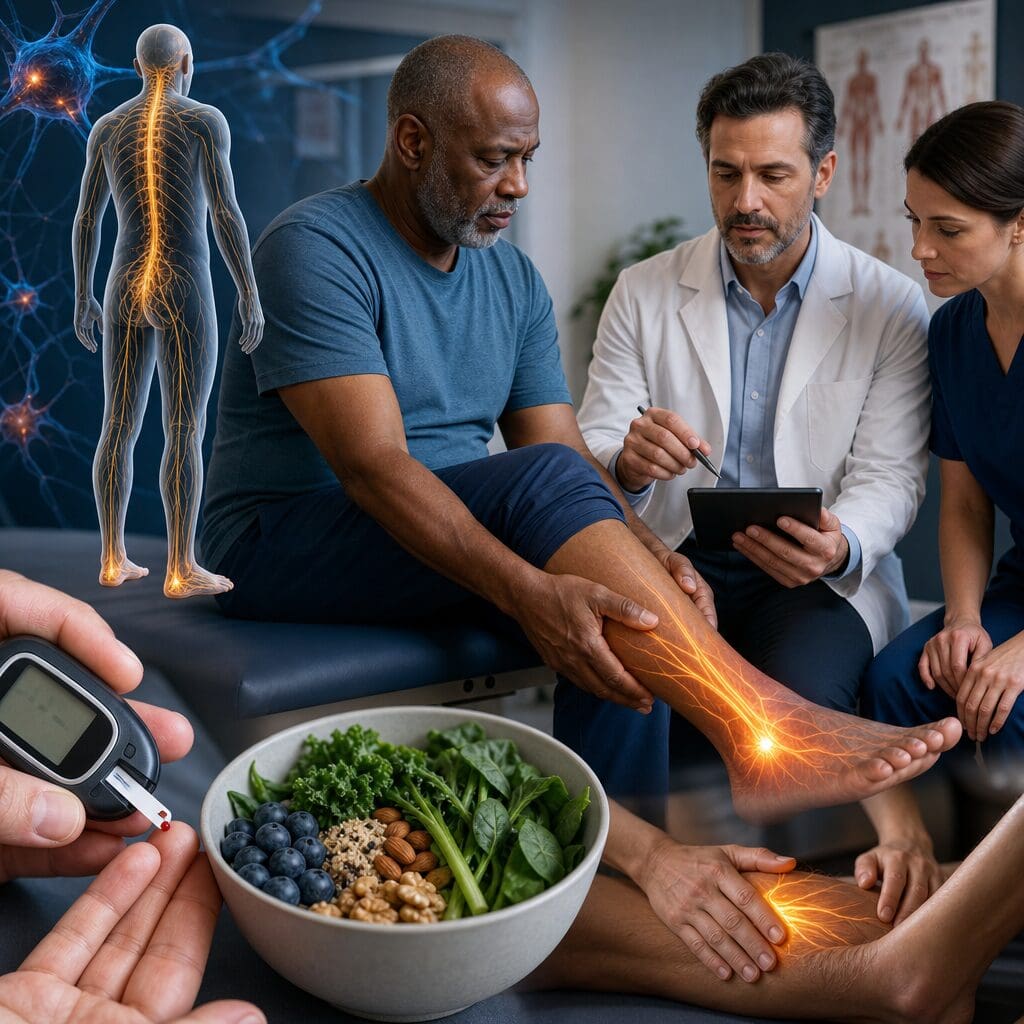
Functional medicine treats the patient, not just the diagnosis. Rather than assigning the same prescription to everyone with neuropathy, we map out the specific biochemical, vascular, and lifestyle drivers behind each person’s nerve damage and build a plan from there.
For diabetic neuropathy patients, functional medicine for diabetic neuropathy typically includes:
- Detailed metabolic and micronutrient testing
- Anti-inflammatory nutrition tailored to insulin response
- Targeted supplementation (alpha-lipoic acid, methylated B vitamins, acetyl-L-carnitine, omega-3s)
- Blood sugar stabilization strategies that go beyond medication
- Therapies that improve circulation and nerve regeneration
This approach pairs naturally with integrative pain management because it addresses both the chemistry of nerve injury and the physical structures that influence how nerves heal.
Takeaway: A root-cause plan should explain not only what you are taking, but why each piece is addressing your specific test results.
The Vinton Method: Our Head-to-Toe Evaluation for Nerve Pain
We developed the Vinton Method to leave no contributing factor unexamined. Many neuropathy patients have been told their nerves are simply damaged and there is nothing to do. Our head-to-toe evaluation tells us otherwise.
During your evaluation, we assess:
- Metabolic markers including blood sugar regulation, inflammation, hormones, and nutrient status
- Nerve function through sensory testing, reflexes, and circulation analysis
- Spinal and structural integrity to identify mechanical contributors to nerve compression
- Lifestyle and stress factors that influence inflammation and healing capacity
- Brain-body communication that affects pain perception and autonomic function
This comprehensive view shows us how much remaining nerve function you have, what is blocking recovery, and which therapies will move the needle fastest in your case.
Takeaway: Bring recent labs, a list of medications and supplements, and a written symptom timeline to your first visit. The more data we have, the more precise your plan.
Combining MD and Chiropractic Expertise for Comprehensive Relief

One of the reasons our patients see results is that we do not force them to choose between medical and conservative care. Our team includes medical doctors and chiropractors collaborating under one roof, and that combination matters for neuropathy.
MDs contribute diagnostic depth, prescription oversight, regenerative injections, and metabolic management. Chiropractors address the spinal and joint dysfunctions that compress nerve roots, restrict blood flow, and amplify pain signaling. When the lumbar spine pinches the nerve supply to the legs, no amount of blood sugar control alone will fully resolve foot symptoms.
A typical patient might receive functional medicine guidance for insulin resistance, spinal adjustments to relieve nerve root pressure, and in-office therapies to stimulate nerve repair, all coordinated as a single plan.
Takeaway: Coordinated care under one roof eliminates the guesswork of trying to stitch together a plan from disconnected providers.
Non-Surgical, Non-Drug Therapies We Use to Heal Damaged Nerves
Our therapy menu is built for non-surgical neuropathy relief. We focus on tools that improve circulation, reduce inflammation, and stimulate the body’s own repair processes.
Common components of our neuropathy programs include:
- Electrical nerve stimulation to reactivate dormant nerve pathways
- Infrared and low-level light therapy to improve microcirculation in the feet and hands
- Regenerative therapies that support tissue repair where nerves and joints are damaged
- Spinal decompression and adjustments to relieve mechanical pressure on nerve roots
- Neurofeedback and biofeedback to recalibrate the nervous system and reduce chronic pain signaling
- Targeted nutritional protocols to rebuild myelin and reduce oxidative stress
Patients often notice improved sensation, warmer feet, better balance, and reduced burning within the first several weeks when these therapies are layered correctly.
Takeaway: Combination therapy outperforms single-modality care for neuropathy. Look for a clinic that can deliver several of these tools in one coordinated plan.
Reversing Type II Diabetes to Stop Neuropathy at Its Source
Nerve repair is difficult, and often impossible, when blood sugar remains poorly controlled. That is why metabolic correction sits at the center of every neuropathy plan we build. Our functional medicine program is designed to reverse Type II diabetes by restoring insulin sensitivity, not by adding more medication.
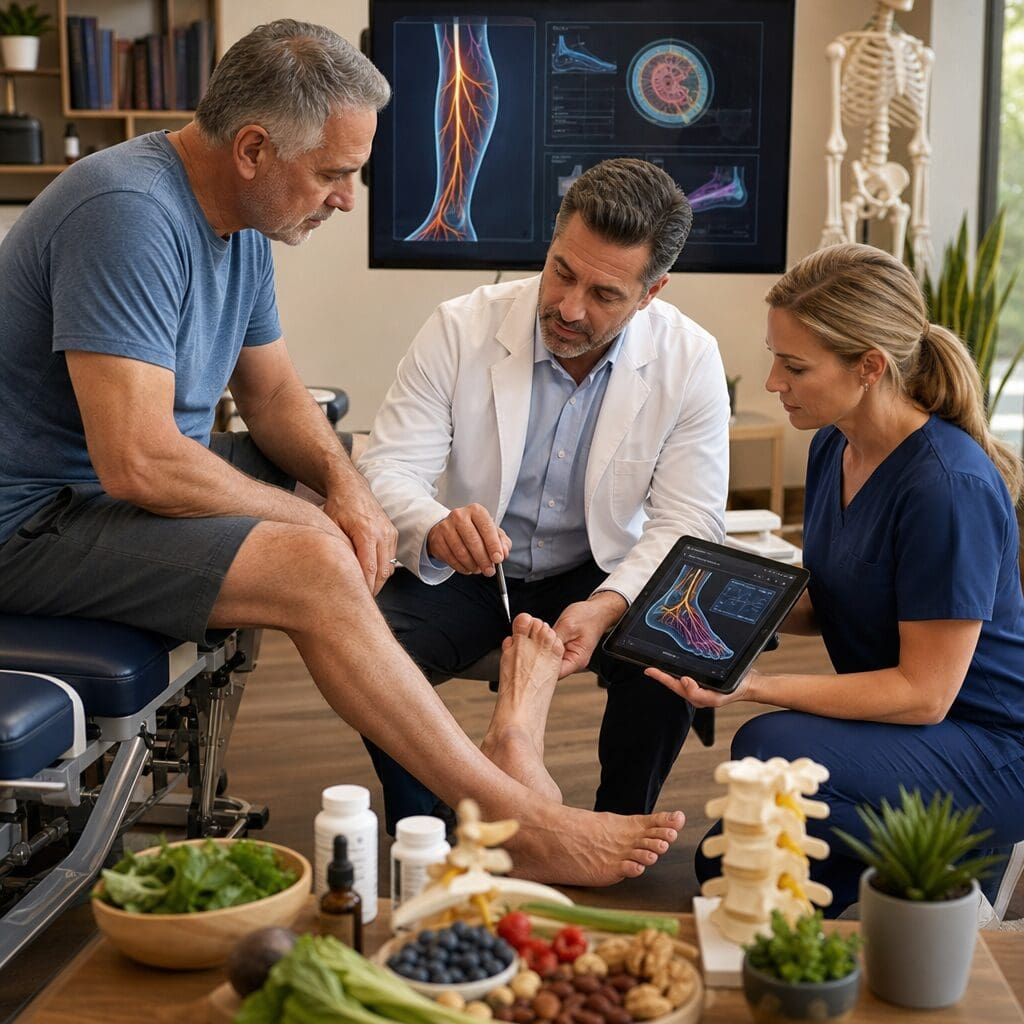
The work usually involves:
- A personalized nutrition plan that stabilizes glucose and lowers insulin
- Strategies to improve sleep, stress response, and physical activity
- Gut health restoration to reduce inflammation and improve nutrient absorption
- Continuous glucose monitoring so you can see, in real time, how your body responds
When HbA1c drops and insulin sensitivity returns, nerves finally get the consistent fuel and oxygen they need to regenerate. Many patients reduce or eliminate diabetic medications under medical supervision as their numbers normalize.
Takeaway: Treating neuropathy without addressing diabetes is like bailing water from a boat with a hole in the bottom. Fix the metabolic source and the nerves can finally heal.
What to Expect From Your Care Plan With Us
Care with our team is structured and clear. Most patients move through a predictable path:
- Comprehensive consultation and evaluation including nerve function testing, metabolic labs, and structural assessment
- Personalized plan review where we walk you through findings, expected timelines, and the therapies recommended
- Active treatment phase combining in-office therapies, nutritional protocols, and home practices over several weeks to months
- Progress reassessments to measure changes in sensation, strength, balance, and lab markers
- Maintenance and prevention to protect the gains you have made and prevent recurrence
You will know what to expect, what to do between visits, and how to measure progress. Honest conversations about candidacy come first; we only recommend programs when we believe meaningful improvement is realistic.
Takeaway: Ask any neuropathy clinic how they measure progress. If the answer is only “how do you feel,” look elsewhere.
Schedule Your Consultation for Lasting Neuropathy Relief
If burning feet, numb hands, or unsteady balance are wearing you down, you have options beyond more prescriptions. Our integrative team combines functional medicine, chiropractic care, and advanced non-drug therapies to address the root causes of diabetic neuropathy and give your nerves a real chance to recover.
Contact the Pain Relief and Wellness Strategies Center to schedule a consultation. We will evaluate your case, explain what is driving your symptoms, and outline a plan built specifically for your body and your goals. Lasting relief starts with understanding why your nerves are hurting, and then doing something about it.